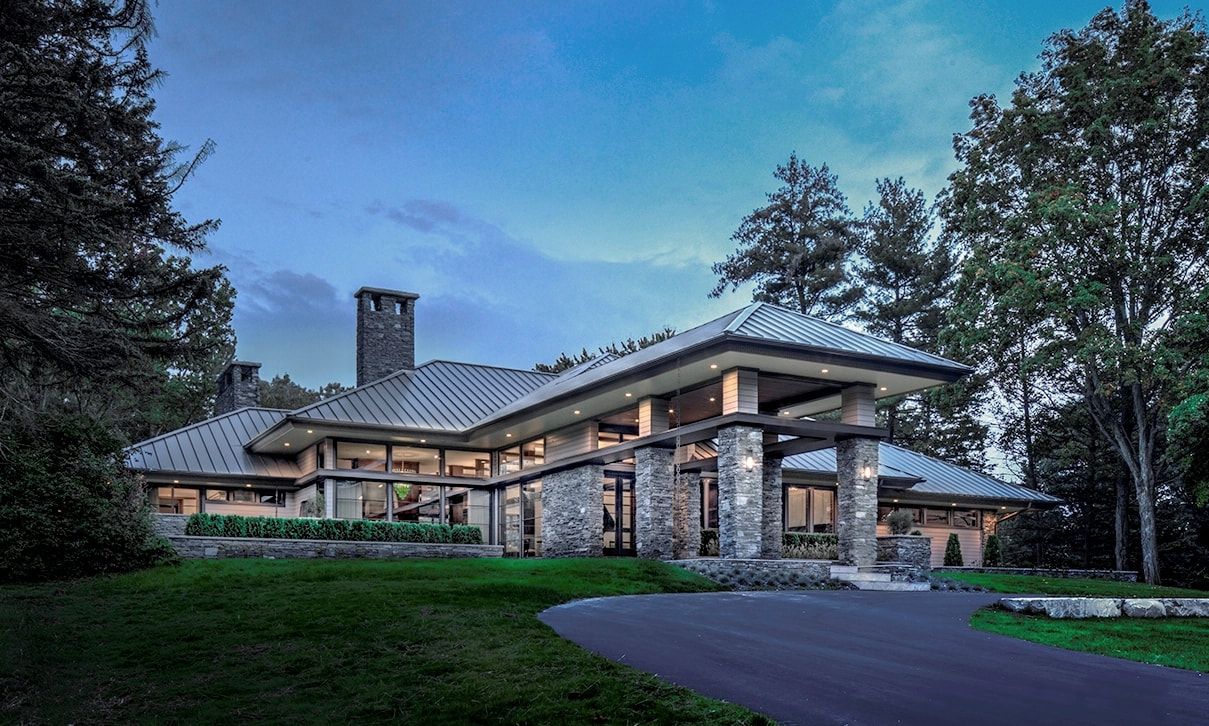










The best projects feel settled before demolition starts. The kitchen layout is resolved. The lighting plan makes sense. Materials are selected. Pricing reflects what is actually being built, not what everyone hopes will happen later. That is how to avoid contractor change orders – not by luck, but by removing ambiguity before the first trade arrives.
Change orders are not always a sign of dishonesty. Sometimes they are legitimate. Hidden structural damage, code issues inside closed walls, and owner-driven upgrades can all require changes. But most change orders come from a simpler failure: the project was priced before it was fully defined.
That is where budgets drift, schedules slip, and trust starts to erode.
Why change orders happen in the first place
A contractor cannot price what has not been decided. If drawings are incomplete, finish selections are vague, or site conditions were never properly reviewed, the initial quote becomes a placeholder. It may look firm. It is not.
This is especially common in renovations, additions, and interior fit-outs where existing conditions matter as much as new design. An old home in Toronto can hide structural surprises. A commercial unit can have code or landlord constraints that only show up when the plan gets serious. If the builder does not document these risks early, the job carries them forward until they become expensive.
There is also a more avoidable issue. Some contractors price low to win the job, knowing they will recover margin later through extras. That model depends on vagueness. The less defined the scope, the easier it is to say something was never included.
If you want to know how to avoid contractor change orders, start here: vague projects create flexible pricing, and flexible pricing usually becomes higher pricing.
How to avoid contractor change orders before construction starts
The cleanest way to control change orders is to treat pre-construction as part of the build, not as a formality.
A disciplined builder should define the scope in writing, confirm existing conditions, coordinate design intent with build reality, and lock material selections before procurement begins. That sounds obvious. In practice, many projects skip or rush this stage because clients want to move quickly. Speed feels productive early. It gets expensive later.
Define the full scope, not just the room name
“Kitchen renovation” is not a scope. It is a category. The real scope is demolition extent, framing changes, insulation updates, flooring transitions, cabinet construction, appliance specs, backsplash area, trim profile, paint finish, hardware model, under-cabinet lighting, inspection requirements, and site protection.
The same applies to bathrooms, additions, office interiors, and full-home renovations. The more your quote relies on assumptions, allowances, and verbal understanding, the more exposed you are.
A strong scope document should answer a simple question: if a new superintendent took over tomorrow, could they build the same project without guessing?
That is the standard.
Make selections early
Late selections are one of the fastest paths to change orders. If tile is not chosen, the installer cannot confirm layout assumptions. If plumbing fixtures are undecided, rough-in locations may change. If cabinetry is still evolving after framing, electrical and finish dimensions may shift with it.
Selections affect more than appearance. They affect labor, lead times, sequencing, and supporting work around them.
This is why process-led builders front-load specification work. At Spartan Builders, that discipline lives inside ClearScope™ – complete scope documentation and material specifications before a single trade steps in. The goal is simple: fewer decisions under pressure, fewer surprises in the field, and pricing tied to what will actually be installed.
Match drawings to reality
Design intent and site conditions must agree. If they do not, change orders are waiting.
A plan may call for a larger island, a new washroom layout, or a clean commercial storefront buildout. But does the structure support it? Do existing floor levels align? Are mechanical chases, beam locations, and code clearances accounted for? Have the dimensions been field-verified?
This is where experienced builders think like engineers and planners, not just trades. A project should be reviewed for constructability before the contract is signed. That includes looking for conflicts between architectural plans, engineering requirements, municipal compliance, and finish expectations.
When builders skip this work, the site ends up solving design problems in real time. Real-time problem solving costs more.
The contract matters more than the number at the bottom
Clients often focus on total price. Understandably. But if you are comparing proposals, the more important question is what each one actually includes.
A lower number with broad exclusions, weak specifications, and unclear allowance categories is not protection. It is exposure packaged as savings.
Read the scope line by line. Look for undefined terms like “client selection,” “as needed,” “standard finish,” or “by others unless noted.” These phrases are not automatically red flags, but they do require clarification. If the answer to a reasonable scope question is verbal, ask for it in writing.
Watch allowances carefully
Allowances are not bad by themselves. In some cases, they are practical. But they should be limited and realistic.
An allowance is simply a placeholder for an item not yet fully selected or measured. The risk is obvious. If the allowance is low, the difference becomes a change order later. That means the contract value was never the true project cost.
A well-managed project keeps allowances narrow, transparent, and attached to real market numbers. A poorly managed project uses them as padding for uncertainty.
Clarify what triggers a change order
Not every change should become a dispute. Your contract should define the process clearly. What qualifies as a change? Who approves it? Is pricing presented before the work proceeds? How does it affect schedule?
This protects both sides. Owners should not be surprised by extra charges after the fact. Builders should not be expected to absorb owner-driven upgrades or hidden site conditions without documentation.
Control is not about eliminating every unknown. It is about creating a fair system for handling the ones that remain.
Communication discipline prevents field-level chaos
Even with a strong scope, poor communication can create unnecessary change orders.
A client mentions a small adjustment to a trade on site. A designer revises a detail but does not issue updated documentation. A site lead proceeds based on an old plan set. By the time the mismatch is discovered, materials are ordered or work is complete.
That is not a pricing problem. It is a communication problem.
Keep decisions centralized
There should be one current set of approved plans, one documented scope, and one decision path for changes. If multiple people are giving direction without control, the project becomes vulnerable to contradiction.
This matters even more on larger residential projects and commercial interiors where owners, designers, consultants, and trades all have input. Strong builders do not just schedule trades. They manage information flow.
That is the purpose of a real delivery system. Sequenced scheduling, milestone tracking, and documented communication are not administrative extras. They are part of how you avoid unnecessary cost movement once the build is underway.
Some change orders are legitimate. The goal is to reduce the avoidable ones.
This is the part many articles miss. You cannot eliminate every change order, and any contractor who promises that is overselling certainty.
If hidden water damage is discovered after demolition, the work has to change. If code requires an upgrade that could not be fully confirmed before opening walls, the scope may need to expand. If you decide midway through the project that you want integrated lighting, a steam shower, or a different storefront system, that is a client-driven change.
The point is not zero changes at all costs. The point is zero preventable changes caused by weak planning, thin documentation, and poor coordination.
That distinction matters.
What to ask before you sign
If you are serious about how to avoid contractor change orders, ask direct questions before committing.
Ask how the scope is documented. Ask whether finish selections are finalized before pricing. Ask how site conditions are verified. Ask how allowances are set. Ask what happens if drawings and field conditions conflict. Ask how change approvals are handled and whether pricing is presented before extra work begins.
A strong builder will answer clearly. Not defensively. Not vaguely. Clearly.
The right project does not start with the fastest quote. It starts with enough definition that everyone is building the same thing on paper before anyone builds it in the field.
That is what protects your budget. That is what protects the schedule. And just as important, that is what protects the experience of the project itself.
The finished space should feel calm, resolved, and exact. The path to get there should feel the same.