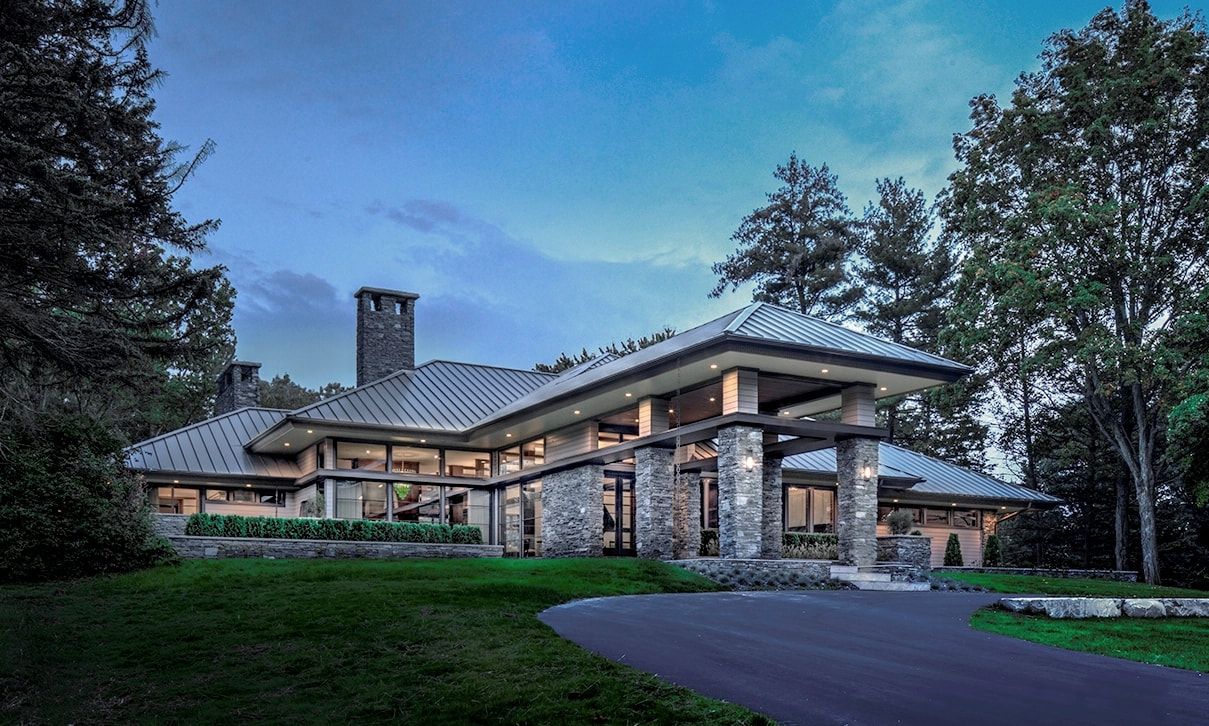








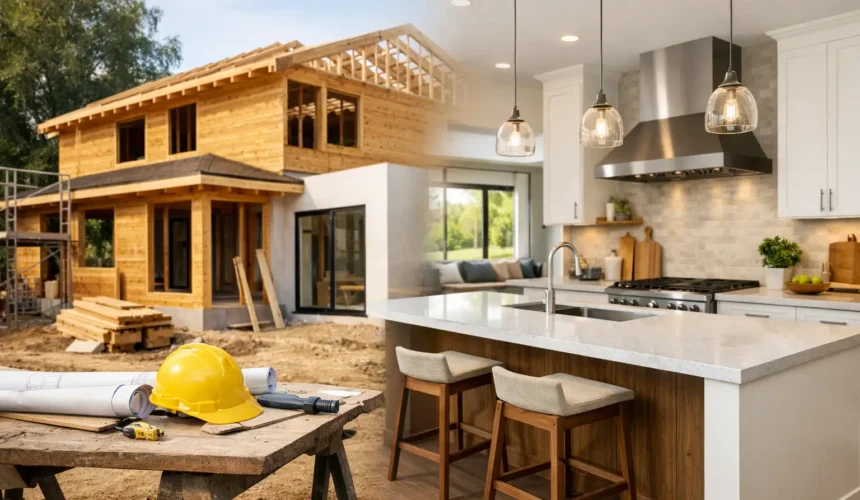
Picture walking into a home that feels resolved before you touch a single light switch. The kitchen fits the way you cook. The stair run feels natural. Storage is where life actually happens. Light lands where the day begins and where it slows down at night. A strong custom home construction guide starts there – not with trades, permits, or square footage, but with the finished experience you are building toward.
That is where many projects lose control. The vision is clear in the homeowner’s mind, but the documentation is thin, the scope is loose, and too many decisions are pushed into the build itself. That is when custom homes drift. Timelines stretch. Costs move. Details get interpreted instead of executed. A custom build should not feel improvised. It should feel designed, engineered, and led.
What a custom home construction guide should actually do
A real guide is not a checklist of generic steps. It should help you understand what must be decided early, what can wait, and where most mistakes begin. Custom homes are not complicated because they are large. They are complicated because every decision affects three others. Ceiling heights affect mechanical routing. Window placement affects structure, furniture layout, and exterior composition. Kitchen design affects framing, electrical planning, ventilation, millwork, and finish sequencing.
That is why the best custom home projects are built twice – first on paper, then on site. If the build team is solving core design, engineering, and material questions during construction, you are already late. Precision at the front end creates control later.
The custom home construction guide begins with scope, not inspiration
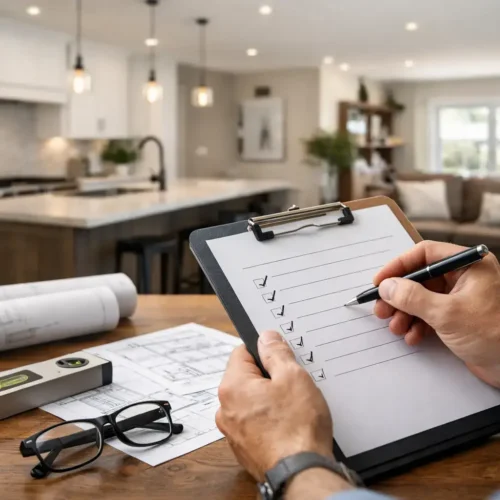
Inspiration matters. It gives the project direction. But inspiration alone does not build a home. Scope does. Before excavation starts, the project should be documented in a way that leaves little room for assumption. That means floor plans, reflected ceiling plans, elevations, structural requirements, finish selections, fixture specifications, appliance requirements, and clear notes on how spaces are meant to function.
This is where disciplined builders separate themselves from the industry’s usual noise. Homeowners often think the biggest risk is construction quality. It is not. The first risk is vague scope. If the scope is incomplete, every trade is forced to interpret intent. Interpretation creates variation. Variation creates rework, delays, and friction.
At Spartan Builders, this is why scope documentation is treated as a control system, not a formality. A project should be defined before it is priced, scheduled, and built. That protects the design and protects the client.
What needs to be locked in before construction
Not every finish selection must be made on day one, but the core framework needs to be. The layout, structural strategy, exterior envelope, window package, staircase design, plumbing fixture locations, lighting intent, cabinetry approach, and mechanical allowances should be established early. If you leave major spatial or technical decisions open, the schedule carries uncertainty from the start.
There is always some flexibility in a custom build. That is normal. The question is where flexibility belongs. Small aesthetic refinements can often be absorbed. Structural or systems-level revisions usually come with consequences. A good guide helps you know the difference.
Design, engineering, and construction should not operate like separate worlds
Homeowners often hire design first, then tender the project to builders, then discover the documents are beautiful but incomplete for construction. Or they hire a builder too early without enough design definition, and the house becomes a sequence of field decisions. Neither path is ideal.
The strongest custom homes come from alignment between design intent, engineering reality, and construction execution. The architecture should be buildable. The engineering should support the design without compromising it. The construction team should understand not just what is being built, but why. When those disciplines are disconnected, the client becomes the go-between. That is a bad place to be on a complex project.
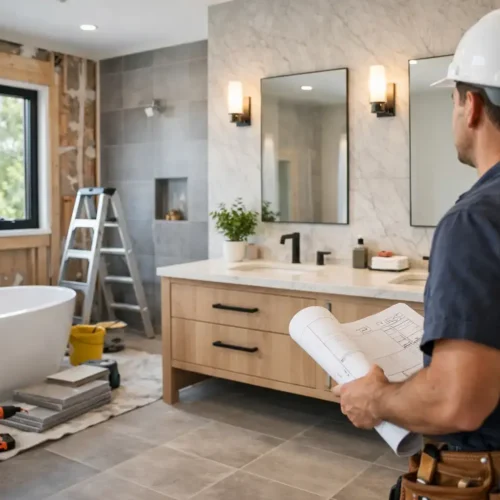
A mature build process closes those gaps before site work begins. It asks hard questions early. Can the desired glazing be supported as drawn? Does the ceiling design work with the HVAC routing and beam depths? Does the kitchen layout support appliance clearances, traffic flow, and millwork symmetry? These are not minor details. They shape the daily experience of the house.
Permits, site conditions, and the realities no one should gloss over
Every custom home exists inside real constraints. Zoning, lot coverage, setbacks, grading, servicing, conservation requirements, and local permit review all affect what can be built and how fast it can move. In the Greater Toronto Area, those variables can shift significantly from one municipality to the next. A house that works on one lot may need a very different strategy on another.
This is why early feasibility matters. It is not enough to ask whether a design looks right. It must also fit the site, the governing requirements, and the servicing realities below grade. Soil conditions, drainage strategy, existing structure removal, and utility coordination can all affect the build long before finishes are discussed.
A serious builder does not treat these as surprises. They are part of pre-construction discipline. The more clearly they are understood upfront, the fewer expensive decisions get pushed into active construction.
Scheduling a custom build is really about sequencing
Clients often ask how long a custom home will take. The honest answer is that duration depends on complexity, approvals, site conditions, and decision readiness. But beyond that, the better question is how the schedule is built.
A weak schedule is just a timeline. A strong schedule is a sequence. Framing cannot simply be marked complete if bulkheads, beam drops, window rough openings, and stair coordination are unresolved. Drywall should not move ahead because the calendar says so if inspections, backing, millwork supports, and lighting positions are still in flux.
This is where project control becomes tangible. Sequenced scheduling means each phase is prepared for the next one. It reduces stop-start production. It protects finish quality. It also gives the client something rare in construction – visibility. You know what is happening, what is next, and what decisions are required from you before they become urgent.
Why communication must be structured
Most homeowners do not mind making decisions. They mind making them late, without context, under pressure. Good communication solves that. Not more messages. Better ones.
Structured communication means updates tied to milestones, decisions flagged in advance, and documentation that makes the status of the project easy to understand. It removes the constant follow-up that so many clients expect from builders because they have learned not to trust silence. On a custom home, silence is not efficiency. It is usually a sign that the project is being managed reactively.
Material selection is about performance as much as appearance
Custom homes live or die in the meeting point between design and use. A finish may look exceptional in a showroom and feel wrong in a real home. A layout detail may photograph well and fail in daily routines. This is why material and fixture selection should be anchored to how the home will be lived in.
That means asking better questions. Does the flooring suit pets, children, and sun exposure? Will the slab material handle the edge profile and span conditions being asked of it? Do the cabinet finishes support the level of maintenance the client actually wants? Is the lighting plan layered enough to make the house feel calm at night, not just bright during a walkthrough?
There is rarely one right answer. There is the right answer for the house, the client, and the level of performance expected. A disciplined build team helps narrow choices without reducing the project to generic standards.
The handoff matters more than most builders admit
Many projects are judged by how they look on completion day. That is too narrow. A custom home should also feel complete operationally. Documentation should be organized. Deficiencies should be tracked and closed. Systems should be explained clearly. The owner should know what was installed, what requires maintenance, and what to expect as the house settles into use.
The final stage is not just a reveal. It is a transfer of confidence. If the build has been controlled properly, the handoff feels calm. You are not sorting through loose ends. You are stepping into a finished environment that was thought through from first drawing to final adjustment.
A custom home is one of the few projects in life where vision, money, time, and daily living all meet at once. That is why the right guide is not simply about construction. It is about control. Build with a team that can hold the design, the documentation, and the execution to the same standard, and the home will feel right long after the last trade leaves.