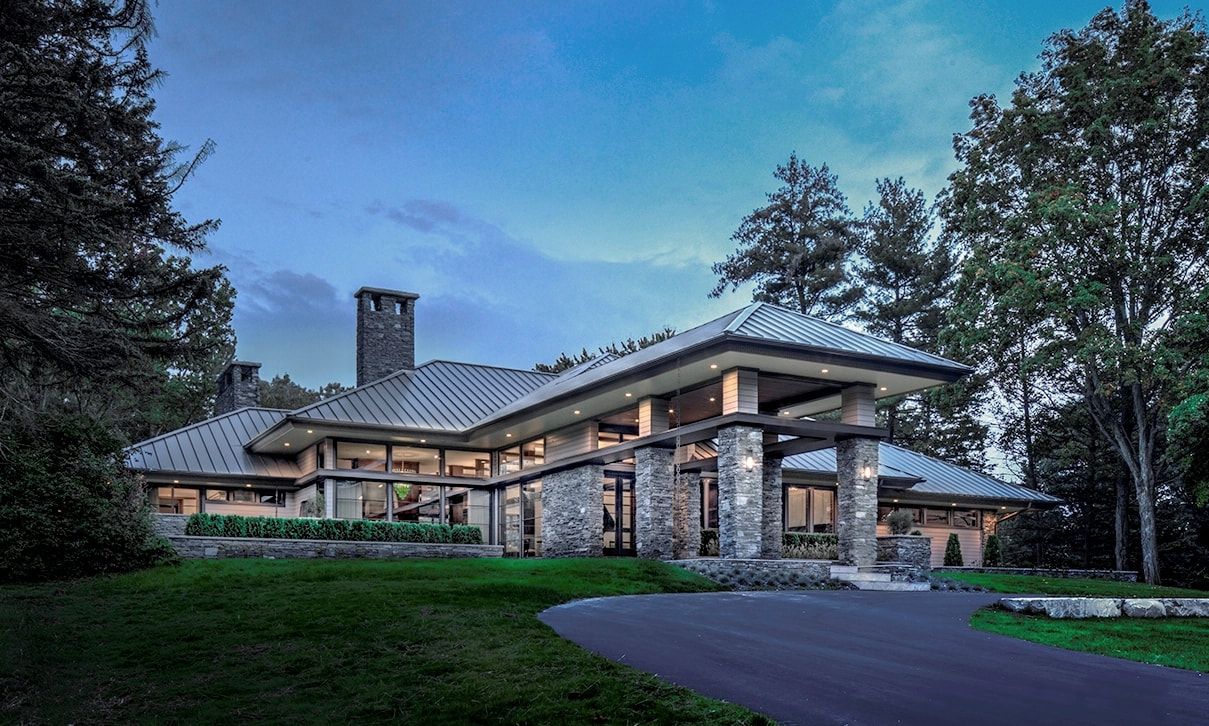









Picture the morning after move-in. Natural light lands exactly where it should. Storage is where your hands expect it. The kitchen flows, the stair lines feel right, and nothing about the home feels accidental. That is what the right custom home builder Vaughan should deliver – not just a finished structure, but a home that feels resolved.
Custom building in Vaughan is not only about design taste or square footage. It is about coordination at a high level. Architecture, engineering, interior planning, permitting, material selections, scheduling, and construction all need to work as one system. When they do, the project feels controlled. When they do not, even a beautiful design can turn into delays, change orders, and compromises that should never have happened.
What a custom home builder in Vaughan should actually control
A custom home is a chain of decisions. Site conditions affect structural planning. Structural planning affects layout freedom. Layout affects millwork, lighting placement, mechanical routing, and the way the home feels every day. A capable builder does not treat these as separate conversations. They manage them as one connected scope.
This is where many projects start to drift. A client may think they are hiring a builder for execution, but what they really need is a team that can translate vision into documented reality. If the scope is vague, the build will be vague. If selections are incomplete, the schedule will absorb the confusion. If trade coordination is weak, the home pays the price in the details.
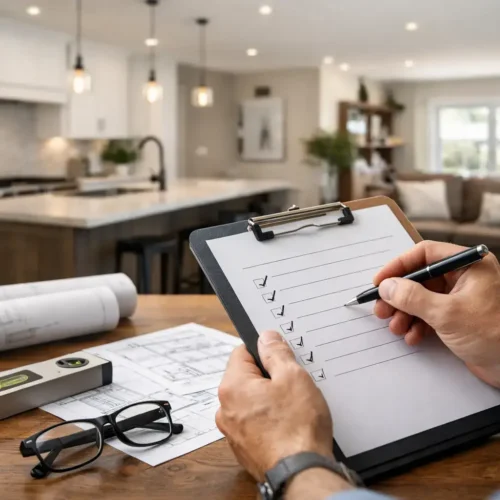
The better standard is simple. Before construction gains momentum, the project should be defined with enough precision that the client understands what is being built, how it is being built, and what decisions still need to be made. Clarity early protects outcomes later.
Why Vaughan custom homes demand more discipline
Vaughan is not a one-note market. Some lots involve teardown and rebuild opportunities in established neighborhoods. Others sit inside newer communities with tighter design expectations, zoning considerations, and logistical constraints. Lot width, grading, neighboring structures, driveway conditions, access for trades, and municipal requirements can all shape the project long before framing begins.
That is why custom home building here rewards discipline over improvisation. The romantic version of building a home is all inspiration and finishes. The real version is sequencing, approvals, documentation, and decision control. Inspiration still matters. It just needs a structure strong enough to protect it.
Clients usually feel this intuitively. They are not looking for noise. They are looking for certainty. They want to know the design intent will survive contact with construction. They want answers before issues become setbacks. They want a builder who sees around corners.
How to evaluate a custom home builder Vaughan homeowners can trust
The first question is not what the builder can make look good in photos. The first question is how they think. Do they lead with systems or with promises? Do they define scope in detail or keep things broad until construction is underway? Do they have a process for trade selection, scheduling, communication, and milestone tracking, or does the project rely too heavily on personalities and memory?
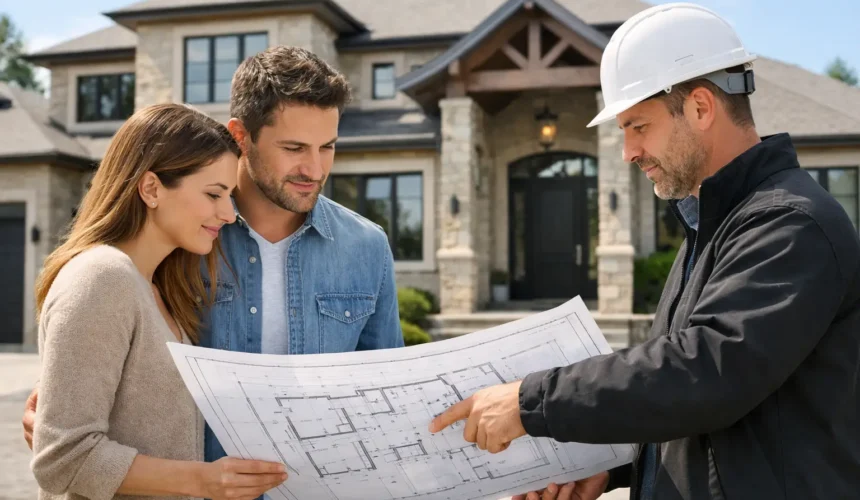
A serious builder will make complexity legible. They will show you how design decisions become construction documents, how materials are specified, how unknowns are reduced, and how the schedule is protected. They will not hide behind vague language. They will not assume you should just trust the process if the process itself is not visible.
That level of transparency matters because custom homes are emotionally charged projects. You are making hundreds of decisions with long-term consequences. The right builder reduces friction. They create order. They help you stay focused on the finished result rather than forcing you to manage confusion during the build.
Scope before speed
Many homeowners underestimate how much damage comes from starting too fast. It can feel productive to begin demolition, excavation, or framing early, especially when there is excitement around the project. But speed without definition is expensive in all the ways that matter – schedule pressure, coordination breakdowns, rushed selections, and avoidable revisions.
The strongest custom builders slow the project down at the right time so it can move properly later. Detailed scope documentation, material specifications, trade sequencing, and construction planning are not administrative extras. They are the build.
This is the philosophy behind process-led firms like Spartan Builders. Systems such as ClearScope™, The Builders Plug™, and The Spartan System™ exist for one reason: to remove ambiguity before ambiguity reaches the site. That means documenting scope thoroughly, using vetted and properly managed trade partners, and running the project through structured scheduling and communication. Clients do not need construction theater. They need control.
Design matters. Execution matters more.
A custom home can fail quietly. Not through dramatic defects, but through a thousand small misses. The ceiling detail is off by an inch. The cabinet depth was not coordinated with appliance clearance. The lighting plan looked good on paper but ignores how the room is actually used at night. The mudroom lacks enough integrated storage for the family living there. The staircase blocks the sightline that made the original concept special.
This is why execution is not a secondary skill. It is the difference between a house that photographs well and a home that lives well.
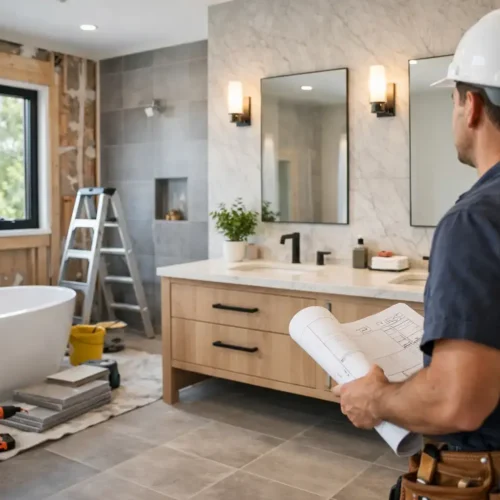
The best builders understand interior design, structural realities, and architectural intent at the same time. They know where vision tends to break during construction and they protect those moments aggressively. They also know when a field condition requires adaptation. Not every solution is fixed from day one. What matters is whether changes are made with discipline or reactively.
Communication is part of the product
Homeowners often assume communication is a soft skill. In custom construction, it is an operational skill. Poor communication creates poor builds. Missed approvals stall progress. Unclear updates create anxiety. Verbal decisions get forgotten. Trade teams move based on assumptions instead of instruction.
A builder should communicate in a way that reduces uncertainty, not adds to it. That means documented selections, clear milestone reporting, direct answers, and visibility into what is happening next. It also means being honest when a decision has downstream consequences. Sometimes the right answer is not yes. Sometimes the right answer is, this can be done, but it will affect timing, detailing, or another part of the design. Mature clients value that kind of clarity.
The trade network behind the home
No custom home is better than the people executing it on site. That sounds obvious, but it is often treated casually in the industry. Trade quality is not just about skill in isolation. It is about reliability, code awareness, coordination, site conduct, and the ability to work to a documented standard.
A vetted trade network changes the outcome of a project in ways clients may never fully see. Better coordination means fewer conflicts behind walls. Better supervision means cleaner transitions between scopes. Better accountability means details do not get shrugged off as acceptable when they are not.
This is also where builder claims should be tested carefully. Ask how trades are selected. Ask whether they are licensed and insured. Ask how performance is managed. Ask what happens when a trade misses the mark. Serious builders have real answers.
What the right fit feels like
The right builder is not simply agreeable. They are steady. They can hold the vision and the constraints at the same time. They know when to push for a better result and when to protect the schedule. They do not flood you with jargon to sound technical, and they do not oversimplify to keep the conversation easy. They guide.
That matters even more on larger custom homes, where the number of moving parts can overwhelm a client quickly. When the builder is organized, the project feels lighter. You are still making serious decisions, but you are not carrying the build on your back.
If you are planning a custom home in Vaughan, look past surface impressions. Look at how the builder defines scope, manages information, coordinates trades, and protects design intent. A great home is not the result of luck or charm. It is the result of disciplined thinking, documented planning, and precise execution carried all the way to the finish.
The finished home should feel calm because the build behind it was controlled.