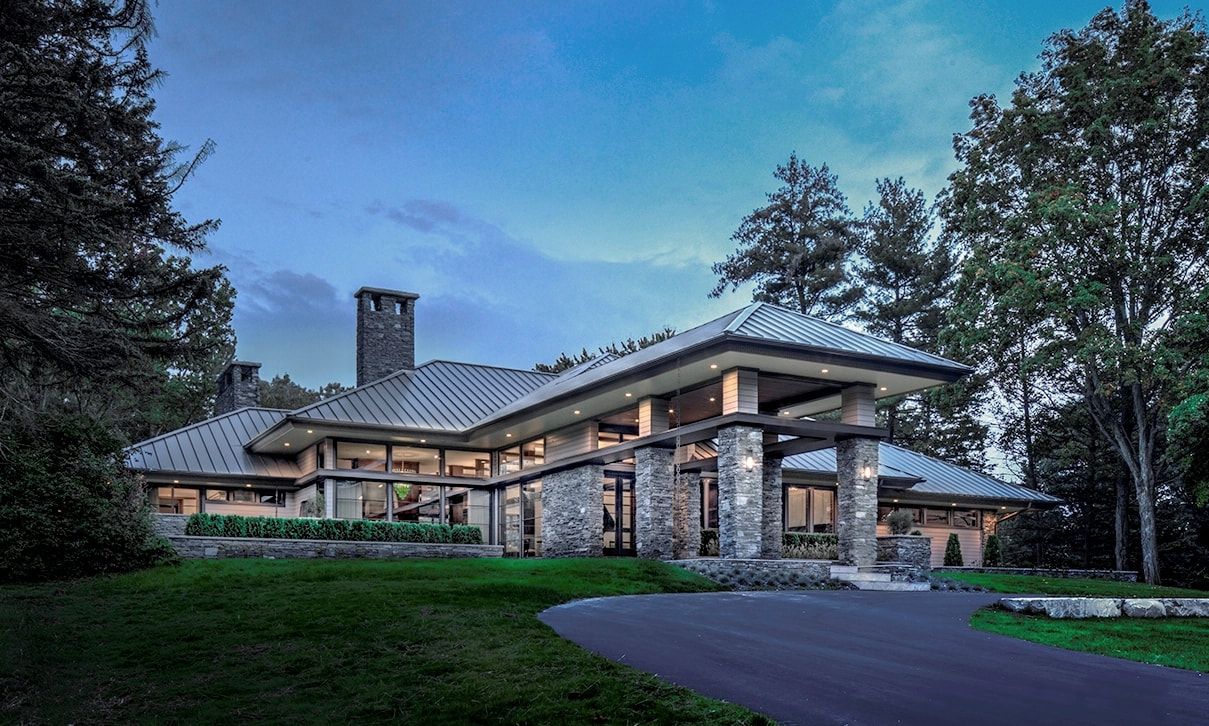










A finished renovation should feel effortless. The kitchen works the way you move. The basement feels like part of the home, not an afterthought. The new addition looks like it always belonged there. That result starts long before demolition, and one of the first questions is simple: when do renovation permits apply?
The short answer is this: permits usually apply when a renovation changes structure, layout, building systems, occupancy, fire safety, or the legal use of a space. Cosmetic work is often exempt. The problem is that many projects people call cosmetic stop being cosmetic the moment walls move, loads shift, or code requirements change.
This is where good projects separate themselves from chaotic ones. Permits are not paperwork for paperwork’s sake. They are a checkpoint that confirms the work can be built safely, inspected properly, and signed off without creating bigger problems later.
When do renovation permits apply in real projects?
If you are repainting, replacing flooring, swapping trim, or installing cabinets in the same basic configuration, permits often do not apply. You are refreshing finishes, not changing how the building performs.
That changes fast once the renovation affects the bones of the property or the rules that govern it. Removing or altering walls can trigger permit requirements, especially if a wall may be load-bearing. Enlarging openings for wider doors, creating open-concept layouts, or changing stair geometry also moves the work into permit territory.
Bathrooms and kitchens are another common gray area. Replacing fixtures in the same location may be straightforward. But if the renovation involves moving plumbing lines, changing ventilation requirements, altering electrical loads, or modifying walls, approvals may be required. The visible finish might look simple. The hidden work is what matters.
Basement projects are one of the clearest examples. Finishing an unfinished basement often requires permits because you are creating habitable space. Egress, ceiling height, insulation, smoke alarms, fire separation, and sometimes legal suite requirements all come into play. What looks like framing and drywall on the surface is actually a code-driven build.
Additions, extensions, and major reconfigurations almost always require permits. You are changing footprint, structure, and often zoning compliance at the same time. The same is true for commercial fit-outs, restaurant renovations, office interiors, and retail buildouts where occupancy, life safety, accessibility, and mechanical performance may all be affected.
The difference between cosmetic and code-triggering work
The cleanest way to think about permits is to separate surface changes from performance changes.
Surface changes affect how a space looks. Performance changes affect how a building stands, functions, protects occupants, or complies with current code. New tile is a surface change. Rebuilding a shower assembly can become a performance change. New cabinets are usually surface-level. Removing a wall to make room for them is not.
This is why homeowners are often surprised. They planned a design update and ended up needing drawings, engineering, and inspections. Not because anyone was overcomplicating the job, but because the project crossed the line from decoration into construction.
There is also a timing issue. A renovation may begin with one idea and expand once walls open up. Hidden structural conditions, water damage, fire separation issues, or outdated framing can change the permit picture midstream. Strong planning reduces that risk, but it does not erase it.
Projects that often require permits
In practice, permits commonly apply to home additions, basement finishing, structural changes, window or door opening changes, stair modifications, underpinning, legal secondary suites, garage conversions, and major interior reconfigurations. Many commercial renovations also need permits because they affect occupancy classification, exiting, washroom compliance, fire protection, or accessibility.
Even when the work seems contained to one area, code can ripple outward. A new basement apartment can trigger requirements for fire-rated assemblies and separate exits. A restaurant renovation can trigger health, fire, and building review. An office reconfiguration can affect occupant load, corridor widths, and life-safety planning.
That ripple effect is why permit decisions should never be based on guesswork or what happened in someone else’s house five years ago. The same room in two different properties can have two different permit paths depending on structure, age, zoning, and intended use.
Why permit requirements are not always obvious
Many people ask the wrong version of the question. They ask, “Does this room need a permit?” The better question is, “What is changing in this room, and what does that change trigger?”
A bathroom does not automatically require a permit. A basement does not automatically require a permit. A kitchen does not automatically avoid one. The answer depends on scope.
That scope has to be defined clearly. If the plan says “renovate kitchen,” that tells you almost nothing. If the plan says remove a wall, relocate appliances, add larger windows, modify duct routing, and upgrade lighting loads, now the permit picture becomes clear.
This is one of the biggest failures in the renovation industry. Vague scopes create false assumptions. Clients think they are pricing one thing. Trades prepare for another. The municipality reviews what is actually being built, not what someone casually described at the first site visit.
A disciplined scope solves this early. It gives the project a real shape before work begins. That is how you protect schedule, inspections, and final approvals.
When zoning matters as much as the building permit
Permit discussions often focus on construction, but zoning can matter just as much. You may have a buildable design in theory and still run into setbacks, lot coverage limits, height restrictions, parking requirements, or use limitations.
This comes up often with additions, detached structures, basement apartments, and commercial spaces. In those cases, the question is not only whether the work can be built safely. It is whether the property is allowed to contain that use or that size of expansion in the first place.
That is why permit planning has to happen before commitments are made to layout, finishes, and scheduling. A design that ignores zoning is not a design. It is a draft of a problem.
What homeowners and business owners get wrong most often
The first mistake is assuming permits only matter for large projects. In reality, small changes can trigger permits if they affect structure or code compliance.
The second is assuming a trade permit and a full building permit are the same thing. They are not. Depending on the scope, different approvals may be needed for different aspects of the work.
The third is treating permits as a delay instead of a control system. Poorly planned projects see permits as friction because the scope was never properly coordinated. Well-run projects treat permits as part of the build strategy. The approvals, drawings, sequencing, and inspections are all aligned from the start.
That difference matters. It affects whether a project moves cleanly or gets caught in redesigns, stop-work orders, failed inspections, and expensive revisions after finishes are already selected.
How to know when renovation permits apply before work starts
The safest approach is to define the full scope before anyone swings a hammer. That means documenting layout changes, structural intent, intended use, code-sensitive conditions, and any design move that could affect approvals. Once the project is clearly documented, permit requirements become much easier to assess.
This is where process beats instinct. A renovation should be reviewed as a system, not a collection of isolated tasks. The wall removal affects structure. The structure affects engineering. The layout affects code. The code affects the permit. The permit affects the schedule. Everything connects.
At Spartan Builders, that is exactly why projects are scoped before trades are deployed. ClearScope brings definition to the work early, so permit needs are identified before they become site problems. It is a better way to build because it replaces assumptions with documented control.
When do renovation permits apply? Earlier than most people think
If your renovation changes more than finishes, pause and verify. That does not mean every project becomes complicated. It means the right projects get reviewed at the right time.
Most permit problems do not come from ambitious design. They come from late clarity. A project that is planned properly can move with confidence because the approvals, drawings, and build sequence support the same outcome.
The best renovation is not just beautiful when it is done. It is buildable from day one, compliant while it is underway, and fully defensible long after the final inspection. That is the kind of clarity worth building around.