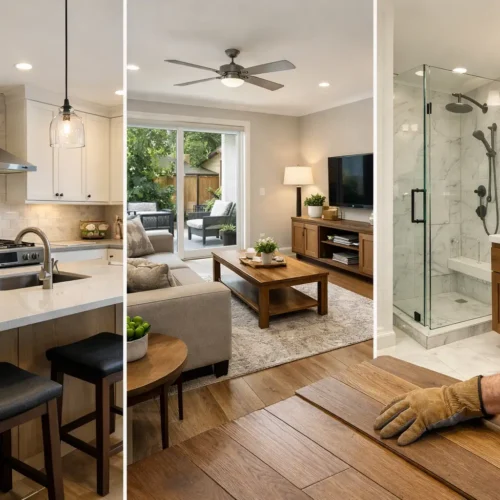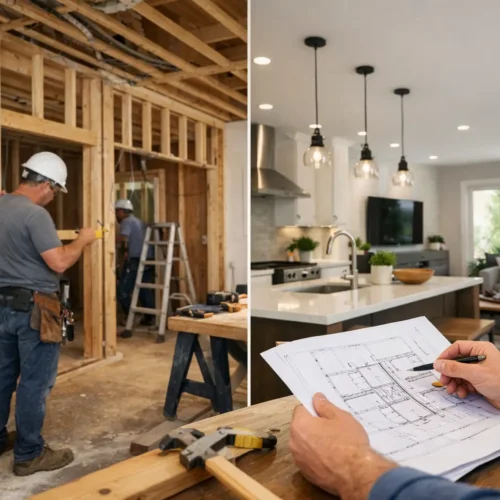





A rental unit should feel clean, current, and easy to live in from the moment the door opens. The best rental property renovations do exactly that. They create a space tenants want to keep, not just pass through. And they do it without turning every turnover into another full reset.
That is the real standard. Not what looks impressive for a weekend showing. Not what photographs well under perfect lighting. The right renovation plan improves tenant experience, protects the asset, and reduces the friction that quietly drains returns over time.
What makes the best rental property renovations worth doing
A good rental renovation is not driven by novelty. It is driven by performance. Every finish, layout decision, and material choice should answer three questions. Will this help the unit lease faster? Will it hold up under real use? Will it reduce future repair cycles?
That usually leads to a different set of decisions than a custom renovation for an owner-occupied home. You are not designing around one person’s taste. You are building broad appeal, cleaner maintenance, and a more stable operating asset.
There is also a common mistake here. Many owners either under-renovate and leave obvious value on the table, or over-renovate in areas tenants will not pay more for. The best results come from disciplined scope planning. Upgrade what improves livability and durability. Skip what only adds cost without changing demand.
Best rental property renovations that pay off in real use
1. Kitchen updates that improve function first
Kitchens carry more weight than almost any other room. They shape first impressions, daily usability, and perceived value. But a rental kitchen does not need luxury for the renovation to work.
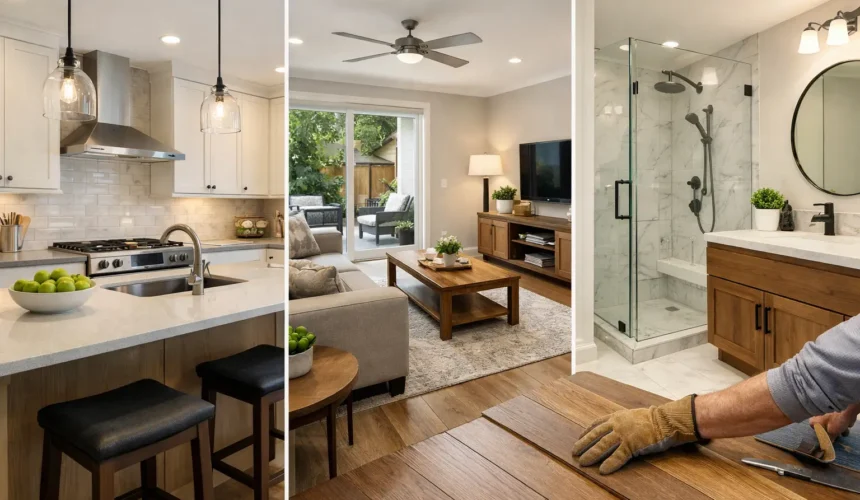
What matters most is a clean layout, durable cabinetry, easy-to-maintain counters, proper lighting, and appliances that feel current and reliable. If the existing footprint works, keeping plumbing and major appliance locations in place often makes sense. That preserves control without sacrificing the tenant experience.
Cabinet refacing can work in some units, but only if the boxes are sound and the overall layout still performs. In many cases, full replacement creates a better long-term result because storage, hardware, and alignment all improve at once.
2. Bathroom renovations that feel fresh and easy to maintain
Bathrooms influence tenant perception quickly. If the bathroom feels dated, stained, dim, or hard to clean, the whole unit feels less cared for.
The best rental bathroom renovations focus on surfaces and details that age well. Large-format tile reduces grout lines. A simple vanity with integrated storage keeps the room functional. A quality tub or shower system, proper waterproofing, and bright, even lighting matter more than decorative extras.
This is also one of the clearest examples of why process matters. A bathroom can look finished and still fail behind the walls. Waterproofing, substrate prep, sequencing, and documentation are what separate a short-term cosmetic update from a durable rebuild.
3. Flooring that can survive turnover after turnover
Flooring takes the daily hit. Moving furniture, wet boots, pets, dropped items, cleaning products, and repeated tenant turnover all test the surface.
For that reason, flooring is one of the best rental property renovations when chosen correctly. The goal is not softness underfoot at any cost. The goal is resilience, consistency, and clean visual continuity across the unit.
Luxury vinyl plank is often the strongest choice because it handles wear well, resists moisture better than many alternatives, and is simpler to replace in sections if needed. In some properties, tile makes sense in entry zones or bathrooms. What usually does not age well in rentals is a patchwork of different materials that make the unit feel pieced together.
4. Paint and wall repair that reset the entire unit
Few upgrades change perception faster than properly prepared walls and a clean paint job. This sounds basic, but it has an outsized effect on rental performance.
Neutral paint colors create flexibility for future tenants and make spaces feel larger, brighter, and more current. More important, the walls need to be repaired correctly before paint goes on. Nail holes, uneven patches, cracked corners, and old texture repairs show immediately under fresh paint and cheapen the whole finish.
A strong wall reset also helps standardize units over time. That consistency becomes valuable when managing multiple turnovers or planning future maintenance cycles.
5. Lighting that makes the space feel better instantly
Bad lighting can make a renovated unit feel tired. Good lighting makes a simple unit feel sharper, cleaner, and more livable.
The upgrade is rarely about statement fixtures. It is about layered, practical illumination. Bright kitchen lighting, clear bathroom vanity lighting, and well-placed ceiling fixtures in living areas change how tenants experience the home every day.
It also helps leasing photos, but that should be the secondary win. The real gain is that the unit feels more complete in person.
6. Storage improvements that solve real life
Tenants notice storage immediately. If there is nowhere for coats, pantry goods, cleaning supplies, or everyday essentials to go, the space feels smaller than it is.
That is why storage-focused millwork and layout refinements often outperform more decorative upgrades. Better closet systems, smarter kitchen cabinetry, built-in entry storage, and improved bathroom organization add daily value without making the renovation feel excessive.
For multi-unit properties, this is especially effective because storage has wide appeal across tenant types. It is not trend-based. It is practical. Practical usually wins.
7. Entry and common-area improvements that set the tone
The unit does not begin at the kitchen. It begins at the first step inside. Entry areas, hallways, and shared circulation spaces often get ignored, yet they frame the tenant’s entire impression.
Upgraded flooring transitions, durable wall finishes, improved lighting, and clean trim details make the property feel managed rather than neglected. In duplexes, triplexes, and multi-unit buildings, common-area presentation can influence leasing confidence before a prospect even sees the suite.
These improvements may not feel dramatic on paper. In practice, they help the property feel cohesive.
8. Basement finishing that creates real rentable living space
Where the layout and code conditions allow it, basement finishing can be one of the highest-impact renovations available. Not because it adds novelty, but because it creates usable square footage that expands the function of the property.
The key is doing it as a complete living environment, not a partial afterthought. Ceiling height, moisture management, insulation strategy, lighting, flooring, and room planning all need to work together. A basement that feels dark, cold, or improvised will not perform like the rest of the property.
In the Greater Toronto Area, this matters even more because tenants are quick to distinguish between a properly finished lower level and one that simply had finishes added over a compromised base. Execution changes the outcome.
9. Layout corrections that remove daily friction
Some of the best renovations are not the most visible. They are the ones that fix how the unit works.
That might mean widening a cramped kitchen opening, improving circulation, adding laundry where it genuinely fits, or rethinking awkward room transitions. These changes require stronger planning and coordination, but they can elevate a rental far beyond what surface-level upgrades can do alone.
This is where many projects go sideways with conventional contractor thinking. Layout changes affect structure, code, finishes, sequencing, and trade coordination. If those decisions are not documented properly before work begins, the renovation starts reacting instead of executing.
How to choose the right rental renovation scope
Not every property needs all nine categories. The right scope depends on the age of the building, the condition of the finishes, tenant expectations in the area, and whether the unit suffers from cosmetic fatigue or actual functional weakness.
A dated but solid unit may only need a controlled finish update across kitchen, bath, flooring, and paint. A property with poor flow, weak storage, and inconsistent prior work may need a more structural rethink.
This is why scope documentation matters so much. Before a single trade starts, the renovation should define what is being changed, what is staying, how materials will perform, and how sequencing will protect the timeline. That level of clarity is what prevents a rental upgrade from becoming an expensive chain reaction.
For owners who want the work handled with discipline, a system like ClearScope™ is not just helpful. It is the difference between guessing through a renovation and controlling it.
What owners often get wrong
The biggest mistake is treating rental renovations as cosmetic projects only. Fresh finishes help, but if the layout is weak, storage is lacking, or the bathroom was built without proper waterproofing, the problems remain. They are just wearing newer materials.
The second mistake is making decisions room by room instead of at the property level. A rental should be planned as an operating asset. Materials, maintenance cycles, durability standards, and tenant experience should all align.
The third mistake is chasing upgrades that feel premium but add little practical value. Stone waterfall islands and highly specific design statements might work in a custom home. In a rental, broad appeal and controlled durability usually deliver better results.
The best rental property renovations are not the flashiest ones. They are the ones that make the unit easier to lease, easier to maintain, and better to live in. When the work is planned with precision and built with control, the property starts performing like it was meant to from the start.