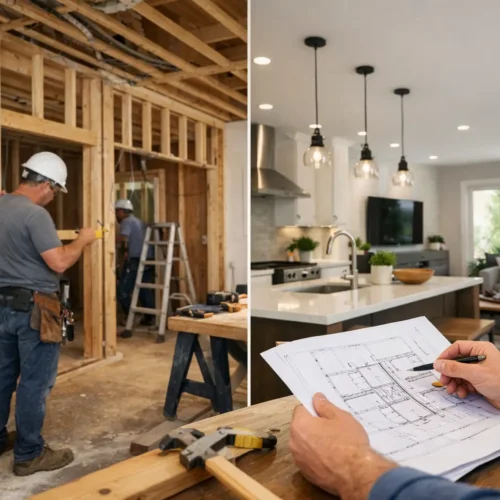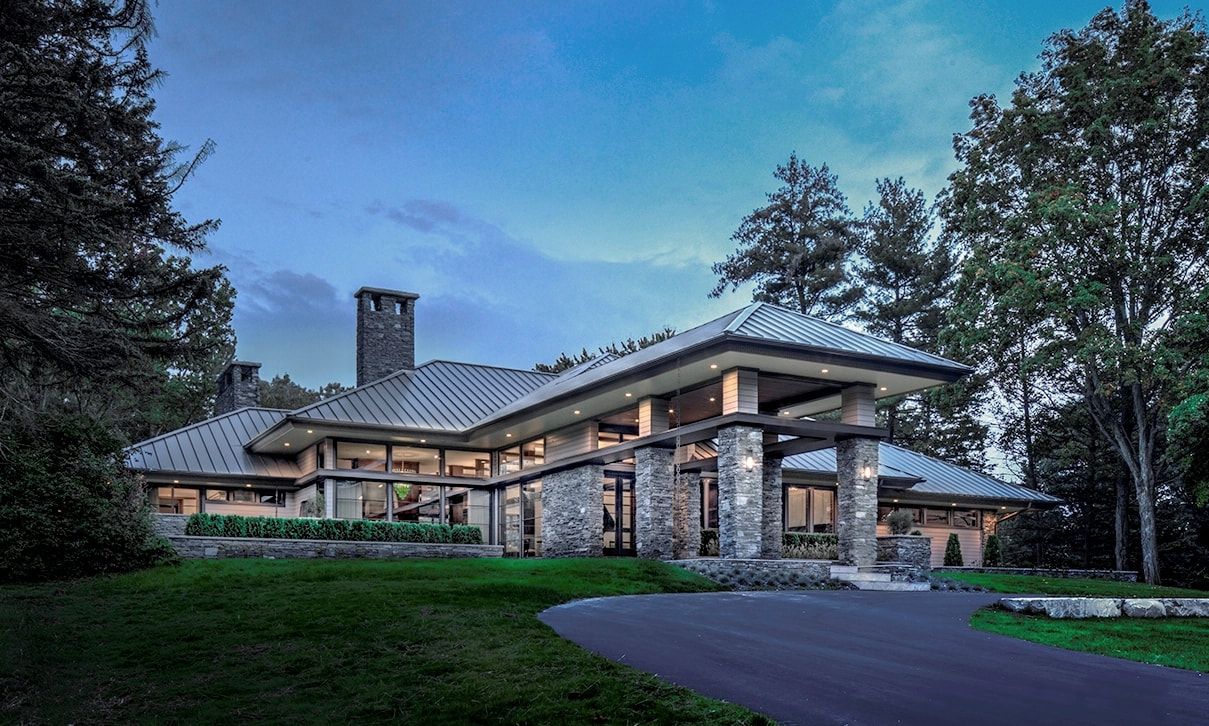









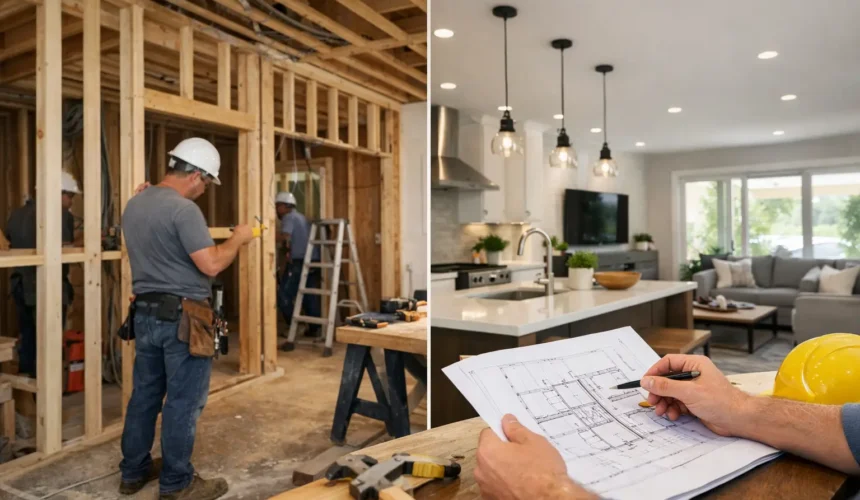
The finished space should not feel like a patched version of what was lost. It should feel whole, resolved, and ready for real life again. That is the standard. If you are asking how to manage restoration rebuild work after fire, flood, or structural damage, the real goal is not just getting crews back in the building. It is regaining control.
Restoration rebuilds fail when people treat them like ordinary renovations. They are not. A standard remodel begins with choice. A restoration rebuild begins with disruption, hidden conditions, insurance scrutiny, code implications, and a compressed timeline tied to your home or business getting back online. That changes how the project must be led.
How to manage restoration rebuild without losing control
The first move is to define the rebuild before anyone starts rebuilding. That sounds obvious, but this is where many projects drift. Demolition may be complete. Dry-out may be done. The site may look ready. Yet the actual rebuild scope is still vague. Vague scope creates substitutions, delays, and arguments later.
A controlled rebuild starts with documented scope. Not a verbal understanding. Not a rough allowance sheet. Real documentation. What is being restored exactly, what is being replaced, what must be brought up to current code, what is salvageable, and what is excluded. That document becomes the foundation for pricing, trade sequencing, inspections, and client expectations.
This matters even more in large-loss situations. Fire and water damage rarely stop at what is visible. Smoke migration, concealed moisture, framing movement, compromised insulation, and damaged finishes behind intact surfaces can all affect the rebuild. If those conditions are not identified early, the project starts twice – once on paper and again in the field after surprises appear.
That is why disciplined builders front-load decisions. At Spartan Builders, this is exactly where a system like ClearScope™ changes the outcome. The point is simple: define materials, assemblies, transitions, and scope boundaries before labor begins. You do not manage a restoration rebuild by reacting faster. You manage it by reducing what needs reacting to.
Start with the rebuild plan, not the emergency
Emergency response has one job – stabilize the property. The rebuild has a different job – restore the space properly. Those phases often blur together, and that creates confusion.
The rebuild plan should answer five questions early. What has to be rebuilt? What needs redesign rather than replacement? Which approvals are required? Which trades need to enter in what order? And what decisions must the owner make now to avoid site delays later?
In a residential setting, that may mean deciding whether a damaged kitchen is being restored to prior condition or rebuilt as a more integrated space with updated layout and cabinetry. In a commercial setting, it may mean reconciling lease obligations, accessibility requirements, and operational deadlines before framing starts. Both scenarios involve more than putting things back.
This is also where experienced project leadership matters. Some elements of the original build may no longer meet current code. Some products may be discontinued. Some assemblies may need to be redesigned because the wall or floor system is now open. Trying to force a rebuild back into the exact shape of the past can be the wrong move. The better question is what the space needs to become now.
Scope gaps are what derail most rebuilds
The most expensive problems in restoration are usually not dramatic. They are small omissions that compound. Missing backing for millwork. No finish schedule for replacement flooring transitions. Cabinet lead times discovered too late. Trim profiles not confirmed. Permit drawings that do not match field conditions.
Each one looks manageable on its own. Together, they stall momentum.
If you want to know how to manage restoration rebuild projects well, focus less on the obvious damage and more on the handoffs. Rebuilds are won or lost in coordination between trades, consultants, adjusters, suppliers, and owners. Every unclear handoff becomes friction in the field.
Sequence matters more than speed
Clients often ask for speed after a loss, and that instinct is understandable. But speed without sequence is just disorder with urgency attached to it.
A proper restoration rebuild follows logic. Structural corrections before finishes. Envelope confirmation before interior close-up. Rough-ins verified before insulation and board. Millwork measured only after substrate conditions are confirmed. Flooring scheduled when moisture readings support it, not when the calendar wishes it did.
This is where many contractors overpromise. They compress the timeline by stacking trades too tightly or releasing work before the previous phase is truly complete. It feels fast in week one. It becomes rework in week six.
The better approach is disciplined sequencing with milestone control. Every phase should have a clear release point. That means one trade does not simply finish enough for the next trade to start. It means the work is inspected, documented, and ready. That level of structure is how rebuild timelines become believable.
Trade quality is really trade coordination
Clients often think the question is whether the trades are good. That matters, of course. But on a restoration rebuild, coordination matters just as much.
A skilled taper can still lose time if framing corrections were not closed out. A cabinet installer can still be blocked if flooring heights changed and nobody updated the dimensions. A painter can still produce a poor result if moisture issues were rushed past to keep schedule pressure off the board.
That is why a vetted trade network matters. Not because it sounds impressive, but because restoration work punishes weak coordination immediately. The Builders Plug™ model exists for exactly this reason – licensed, insured, accountable trades working inside a managed system instead of acting like separate islands on the same job.
Documentation is not paperwork. It is project control.
Rebuild fatigue is real. Owners get tired of reports, selections, approvals, and site updates. But the projects that feel exhausting are usually the ones with weak documentation, not too much of it.
Good documentation reduces decisions under pressure. It records what was approved, what changed, and what comes next. It protects everyone when site conditions evolve. It also keeps the rebuild aligned with insurance discussions, consultant input, and municipal requirements.
For homeowners, that means fewer moments of uncertainty. For commercial clients, it means fewer surprises that affect reopening plans. For referral partners such as designers, architects, engineers, and adjusters, it means the project can be reviewed and trusted at every stage.
The right communication rhythm helps here. Not constant noise. Not silence either. Clear milestone updates, decision deadlines, change documentation, and field-based reporting create calm because they replace guessing with facts.
Expect some decisions to change once walls open
This is one area where honesty matters more than certainty. Even a well-run restoration rebuild can reveal concealed conditions after selective demolition or structural review. That does not mean the project is off track. It means the project is real.
The difference is how those changes are handled. A disciplined builder does not treat every discovery like a crisis. They assess the condition, document it, explain the implications, and revise the sequence or scope with control. That is very different from improvising on site.
There is also a practical trade-off here. Some clients want every possible unknown investigated before pricing. Others want movement sooner and accept that some findings will be addressed as work progresses. Both approaches can work. It depends on the property, the damage pattern, and how critical schedule certainty is. The key is choosing the approach deliberately, not by accident.
The rebuild should improve the property, not just restore it
A strong restoration rebuild does more than replace damaged finishes. It resolves weaknesses exposed by the loss. Better layout decisions. Smarter detailing. More durable material selections in vulnerable zones. Cleaner transitions between repaired and untouched areas so the final result feels intentional, not segmented.
This is where design thinking belongs in restoration. Not as decoration. As control. When architecture, engineering logic, interior design, and construction leadership work together, the rebuild stops feeling like recovery and starts feeling like forward progress.
That shift matters. Especially after disruption. People want their space back, yes. But more than that, they want confidence when they walk into it again. They want to feel that someone thought through the details, protected the standards, and rebuilt with purpose.
If you are deciding how to manage restoration rebuild work, choose the team and the system that can carry the full weight of that responsibility. The right rebuild does not just close a claim or complete a scope. It restores order. And that is what lets life move forward again.