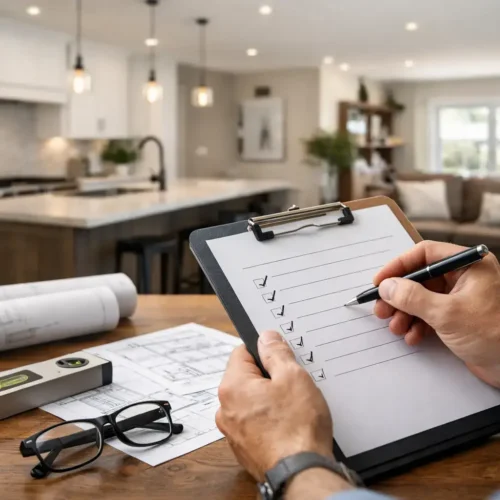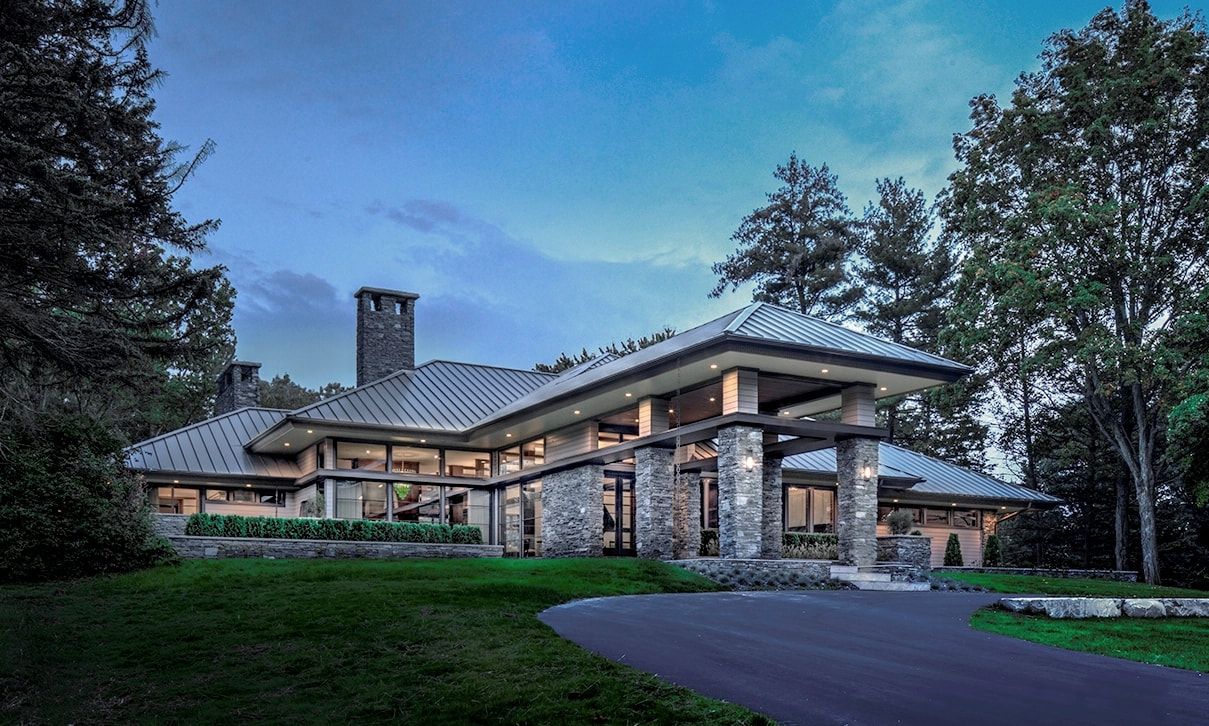







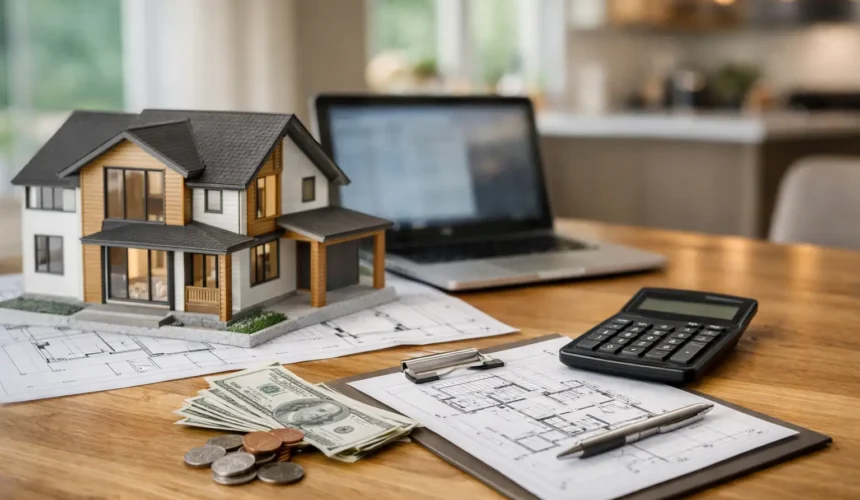
Picture the finished home for a moment. The kitchen works exactly how you live. The natural light lands where it should. Storage is built in, not patched in later. The layout feels calm because every decision was made with purpose. That vision is the reason people ask how to budget custom home build projects in the first place. They are not just pricing walls and finishes. They are pricing clarity, control, and the cost of getting it right.
The mistake is treating budgeting like a rough guess plus a contingency. That is how custom homes drift off course. A real budget is built from scope, documentation, sequencing, and decision quality. When those pieces are weak, the numbers are weak too.
How to budget custom home build costs the right way
A custom home budget starts before construction. It starts with defining what is actually being built. Square footage matters, but it is a blunt instrument. Two homes with the same footprint can land in very different ranges depending on structure, glazing, mechanical complexity, millwork, site conditions, and the level of finish.
That is why early budgeting needs more than inspiration images and a target number. It needs a documented scope. You need to know what is staying simple, what is custom, and where performance matters most. Without that, allowances multiply, assumptions stack up, and every gap becomes a future change order.
This is where many projects go sideways. The design may be beautiful, but if the scope is not fully translated into buildable detail, the budget is not real yet. It is only a placeholder.
Start with the total project, not just the build cost
When owners think about budget, they often focus on the contract price for construction. That is only one part of the investment. A custom home budget should include design, permits, engineering, demolition if needed, site preparation, utilities, municipal requirements, interior selections, appliance packages, landscaping if it is part of the project plan, and a contingency for true unknowns.
Soft costs and site costs are usually the first places budgets get underestimated. If the lot has grading challenges, poor access, tight urban conditions, tree restrictions, or older servicing that needs upgrades, costs can move quickly. The same is true if zoning review, variances, or permit revisions extend the pre-construction phase.
A better approach is to separate the budget into clear categories: pre-construction, structure and envelope, interior build, fixtures and finishes, site work, consultant and permit costs, and contingency. Once those categories are visible, decision-making gets sharper. You can see where the money is going and where a design change will have the most impact.
Design choices control cost more than most people realize
Custom homes do not become expensive by accident. Cost is shaped by decisions. Some decisions add value efficiently. Others add complexity without improving how the home feels or performs.
Simple geometry is usually more budget-friendly than complicated massing. Repeating window sizes is easier to control than creating one-off conditions everywhere. Aligning structural logic with the interior plan reduces waste. Thoughtful planning does more for the budget than cutting random finishes late in the process.
That is the trade-off many owners miss. Saving money at the design stage by moving too fast or leaving details unresolved often creates more expense later. The cheapest line on paper can become the most expensive part of the project once construction starts.
If you want a more accurate budget, make more decisions earlier. Lock in layout direction. Clarify the level of millwork. Define flooring, tile intent, lighting density, and the quality of windows and doors. You do not need every item selected on day one, but you do need enough definition to price the home you actually want.
Allowances are useful, but too many are a warning sign
Allowances are not inherently bad. They can help keep a project moving while certain selections are still being finalized. But if large portions of the home are sitting inside placeholder numbers, the budget is carrying hidden volatility.
An allowance only works when it reflects the real market cost of the product category you intend to buy. If you want fully integrated appliances, custom slatted oak paneling, large-format porcelain, and architectural hardware, a basic allowance will not protect the budget. It will only delay the correction.
That is why allowance discipline matters. Fewer assumptions. Better documentation. More accurate takeoffs. More control.
Build your contingency around risk, not fear
Every custom home needs contingency. The question is not whether to have one. The question is how much, and why.
For a new custom build on a well-understood site with strong pre-construction documentation, contingency can be more controlled. For projects involving demolition, additions to older structures, difficult site access, or unresolved municipal conditions, the risk profile is different. The contingency should reflect that reality.
A smart contingency is not a vague extra bucket for upgrades. It is protection against genuine unknowns. Soil conditions. Hidden servicing issues. Structural revisions. Permit-driven adjustments. Material escalation on long-lead items. These are not signs of failure. They are part of building in the real world.
What matters is keeping contingency separate from the base scope. If owners use contingency as spending room for upgraded finishes, they lose visibility fast. Then a real issue appears, and the budget has nowhere to absorb it.
How to budget custom home build decisions in phases
Not every dollar needs to be committed at once, but every phase needs guardrails. The most effective budgeting happens in stages.
In concept planning, the goal is alignment. What size home makes sense for the lot, the family, and the target investment level? At this stage, broad ranges are appropriate, but they should still be tied to real scope assumptions.
In design development, the budget should tighten. Structural strategy, building envelope, room count, key features, and finish direction should all be translating into more accurate costing.
Before construction, the budget should be built from documented scope and detailed selections wherever possible. This is where disciplined builders separate themselves from the industry noise. They do not sell confidence based on optimism. They build confidence from information.
A process-led approach matters here. Clear scope documentation before trades price the work changes the outcome. It reduces interpretation gaps. It limits overlap and omissions. It creates a budget that can actually be managed, not just hoped for.
Where owners overspend without seeing it coming
Most overruns do not come from one dramatic mistake. They come from accumulation.
A staircase detail gets upgraded. Window packages improve. Ceiling conditions become more complex. Built-ins expand. Slab or framing conditions shift. Lead times force substitutions. Lighting plans grow. Tile quantities increase because the shower design changed. None of these decisions feel catastrophic on their own. Together, they can move the project significantly.
This is why line-item visibility matters. Owners should be able to understand the cost effect of design changes before approving them. If pricing is vague, decisions become emotional instead of strategic.
The right builder makes those trade-offs visible. Spend more here, keep this simpler there, preserve the overall intent. That is not cost cutting. That is budget leadership.
Budget for the home you want to live in
There is a difference between building to impress and building with intent. The strongest custom homes are not necessarily the ones with the most expensive materials. They are the ones where the money was placed in the right places.
That may mean investing more in windows, layout efficiency, cabinetry, and envelope performance while keeping secondary rooms quieter. It may mean simplifying exterior articulation so interior craftsmanship can lead. It may mean reducing square footage slightly to improve finish quality and function.
This is where values matter. If the home needs to support a busy family, frequent hosting, aging in place, or work-from-home demands, the budget should reflect those priorities. A custom home should feel tailored in use, not just custom in name.
For clients building in the Greater Toronto Area, this matters even more. Site constraints, municipal layers, and urban build conditions can put pressure on budgets quickly. The answer is not guesswork. It is stronger pre-construction and tighter scope control.
The budget is only as strong as the system behind it
If you want to know how to budget custom home build projects with fewer surprises, the answer is not a spreadsheet alone. It is a system. Documentation before pricing. Selections before procurement pressure. Sequencing before site activity. Communication before assumptions harden into cost.
That is the difference between a budget that looks good in a meeting and one that holds under construction. At Spartan Builders, that discipline starts with ClearScope™ and carries through every phase of delivery. The goal is simple: fewer unknowns, cleaner execution, stronger control.
A custom home should feel composed long before move-in day. The budget is where that composure begins. Build it with the same level of intention as the home itself, and the entire project gets better from there.