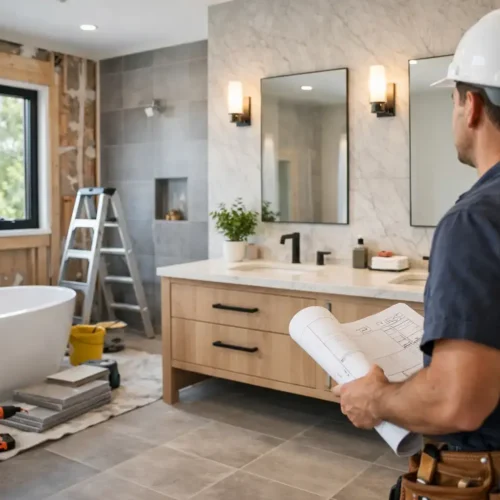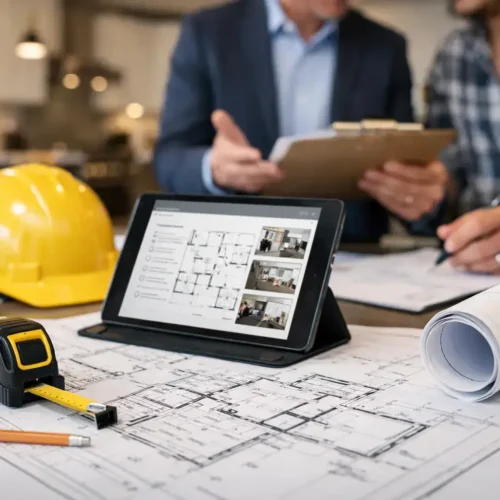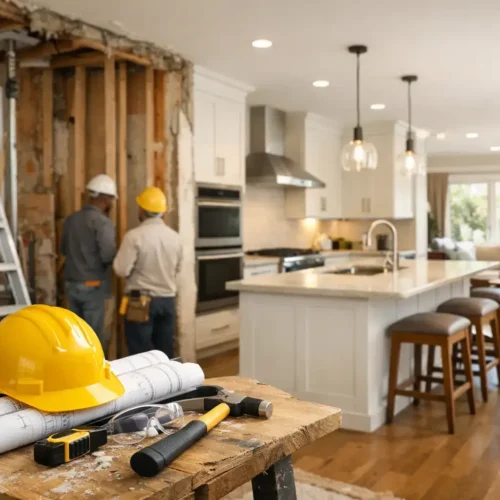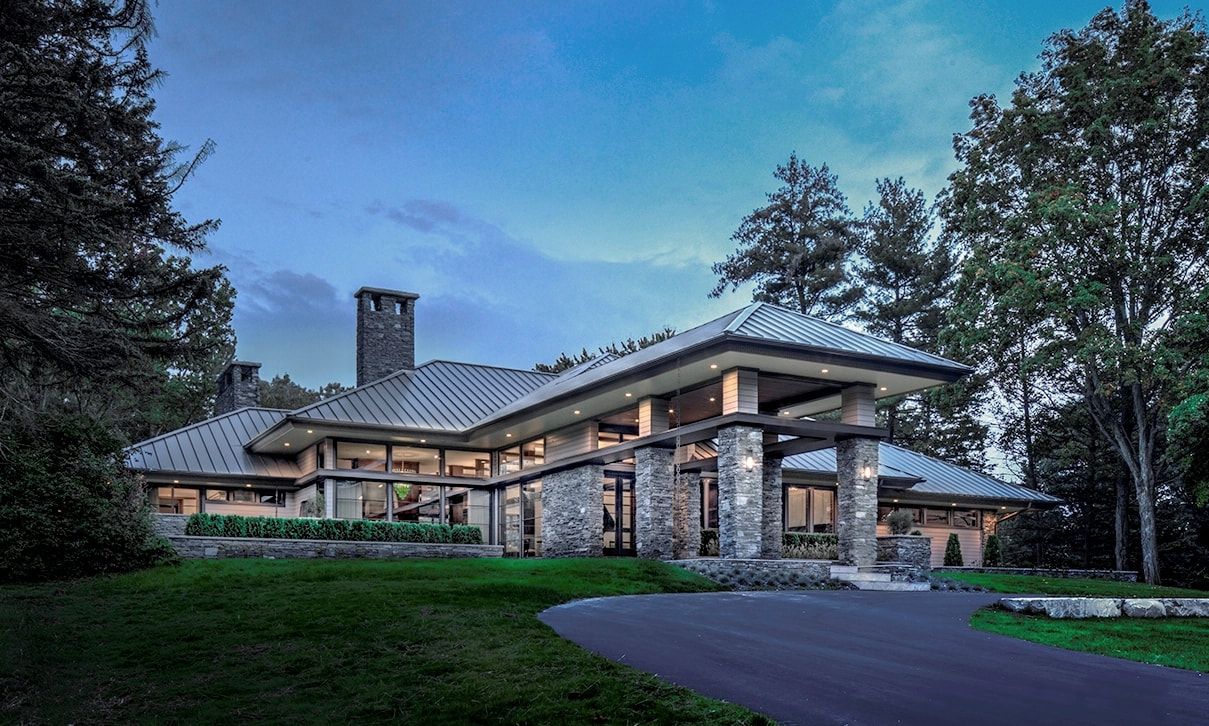










You can feel the difference before a wall goes up. The kitchen works the way you move. Natural light lands where the day begins. Storage is where it should have always been. The home is not just new. It is resolved. That is what people are really looking for when they search for a custom home builder GTA – not someone to simply construct a house, but someone who can turn a complex vision into a finished space that feels inevitable.
That distinction matters because custom building in the Greater Toronto Area is not simple. Zoning conditions vary by neighborhood. Lot conditions shift from street to street. Design expectations are high. So are the financial and emotional stakes. A custom home is one of the few projects where architecture, engineering, interiors, permits, scheduling, and craftsmanship all have to work in sequence. If one part slips, the whole experience degrades fast.
What a custom home builder GTA should actually deliver
A custom build is often sold as creativity and freedom. Those matter, but they are not enough. Freedom without control becomes revisions. Creativity without documentation becomes interpretation. Interpretation on a job site becomes delays, change orders, and avoidable compromises.
A serious custom home builder GTA should bring two things at the same time. First, the ability to shape a home around the way you live. Second, the structure to make sure that vision survives contact with trades, timelines, inspections, and site conditions.
That is where many projects go off course. Homeowners assume the hard part is choosing finishes or finalizing layouts. In reality, the hard part is alignment. Everyone involved needs to be building from the same plan, the same specifications, and the same expectations. If that alignment is weak at the start, the build starts drifting long before anyone notices.
The best custom homes are won before construction starts
The visible work gets the attention. Framing. Windows. Millwork. Stone. But custom homes are decided much earlier.
Pre-construction is where the project either gains control or loses it. This is where scope should be documented in full, materials should be selected to the right level of detail, and critical decisions should be made before trades are pricing and booking the work. A builder who can only speak in broad allowances and general assumptions is asking you to accept uncertainty as part of the process.
You should expect clarity early. What is being built. What is being supplied. What is excluded. What requires a client decision. What depends on approvals. What sequence the work will follow. These are not minor administrative details. They are the operating system of the build.
When that system is missing, clients end up managing confusion instead of enjoying progress. They are forced to chase updates, decode invoices, and referee disconnects between design intent and field execution. That is not what custom should mean.
Design is not a separate conversation
One of the biggest misconceptions in residential construction is that design happens first and building happens later. On paper, that sounds neat. On a real custom home, the two have to inform each other constantly.
A beautiful plan that ignores structural realities, sequencing, lead times, or installation tolerances will not hold up under pressure. The reverse is also true. A technically buildable home that lacks proportion, flow, and interior cohesion may function, but it will never feel complete.
The right builder thinks across disciplines. They can read architectural intent, understand engineering demands, and protect the interior experience at the same time. That cross-functional thinking is what keeps a home from becoming a series of disconnected decisions.
This matters even more in the GTA, where many custom homes are built on infill lots, within established neighborhoods, or as part of major tear-down and rebuild projects. Those conditions demand precision. Site logistics, municipal requirements, neighboring properties, and structural coordination all affect what is possible and how cleanly it can be executed.
How to evaluate a custom builder without getting distracted
Many homeowners compare builders the wrong way. They focus on the surface. A polished gallery. A fast estimate. A confident sales pitch. None of those tells you how the project will actually be run.
A better question is this: how does the builder create certainty?
Ask how scope is documented before construction. Ask how material selections are tracked and approved. Ask how scheduling is structured and communicated. Ask how site decisions are recorded when conditions change. Ask who is responsible for coordinating design, trades, inspections, and client updates.
The answers will tell you more than a portfolio ever could.
The strongest builders are not vague. They do not hide behind “we’ll figure that out on site.” They have a system for reducing ambiguity before it becomes cost, time, or friction. They know custom work always includes moving parts, but they refuse to let those moving parts become chaos.
That is one reason process-led firms stand apart. Spartan Builders, for example, approaches custom building through documented scope, vetted trade coordination, and structured delivery systems designed to keep design intent, schedule, and execution aligned from start to finish. That is a different model than the typical contractor approach, and clients feel that difference quickly.
Why trade quality alone is not enough
Good trades matter. Everyone says that, and it is true. But strong individual trades do not automatically produce a strong project.
Custom homes fail in the gaps between trades. One install assumes another detail was resolved. One measurement is taken from an outdated drawing. One finish decision reaches site too late. The result is rework, compromise, or both.
This is why trade vetting and trade management are separate issues. A builder needs qualified teams, but they also need coordination discipline. They need the authority and structure to sequence work correctly, catch conflicts early, and protect the standard across every phase.
In a custom build, craftsmanship is not just the final appearance of a staircase or cabinet line. It is also the invisible accuracy behind walls, under floors, and inside transitions. It is how well the whole build was orchestrated.
A custom home should fit your life, not just your lot
The most successful homes are not the most expensive or the most complex. They are the most deliberate.
That might mean a main floor planned around entertaining without visual clutter. It might mean a second floor where privacy, acoustics, and storage were solved before style was layered in. It might mean designing for a family that needs calm, order, and flexibility as much as square footage.
A strong builder understands this. They are not simply executing rooms. They are helping shape routines, movement, comfort, and longevity. They know the right question is not just “what do you want the house to look like?” It is also “how should this home support your life five years from now?”
That perspective changes decisions. It affects layout, millwork, lighting, transitions, materials, and where complexity is worth it versus where simplicity performs better. Custom should not mean adding more. It should mean choosing better.
The trade-offs are real, and a good builder will say so
Not every idea should be approved because it looks good in a rendering. Some design moves cost more time than they return in value. Some material choices are visually impressive but operationally demanding. Some layouts look clean on paper but create compromises in structure, storage, or daily use.
A credible builder does not nod through every request. They guide. They challenge where needed. They explain trade-offs clearly.
That kind of honesty protects the client and strengthens the result. It also builds trust, because custom home clients do not need flattery. They need informed leadership.
This is especially important on projects where ambition is high. The best custom homes still require restraint. They need a team that knows when to push, when to simplify, and when to preserve what matters most.
Choosing the right custom home builder GTA comes down to control
At a distance, many builders can sound similar. Everyone promises a finished home. Everyone claims experience. The real separation is in how the work is controlled.
Control means the scope is documented before pricing gets loose. It means material selections are not drifting midstream. It means trades are not improvising details that should have been resolved in advance. It means communication is not dependent on how many times a client follows up.
Most of all, it means the final home still reflects the original vision, because the builder had the structure to protect it.
If you are choosing a custom home builder GTA, do not just look for someone who can build. Look for a team that can think, document, coordinate, and lead at the level your project demands. The finished home should feel effortless to live in. Getting there should feel disciplined, clear, and fully under control.
The right builder does more than hand over keys. They give shape to the life you want to live inside those walls, then they build it with the precision that vision deserves.