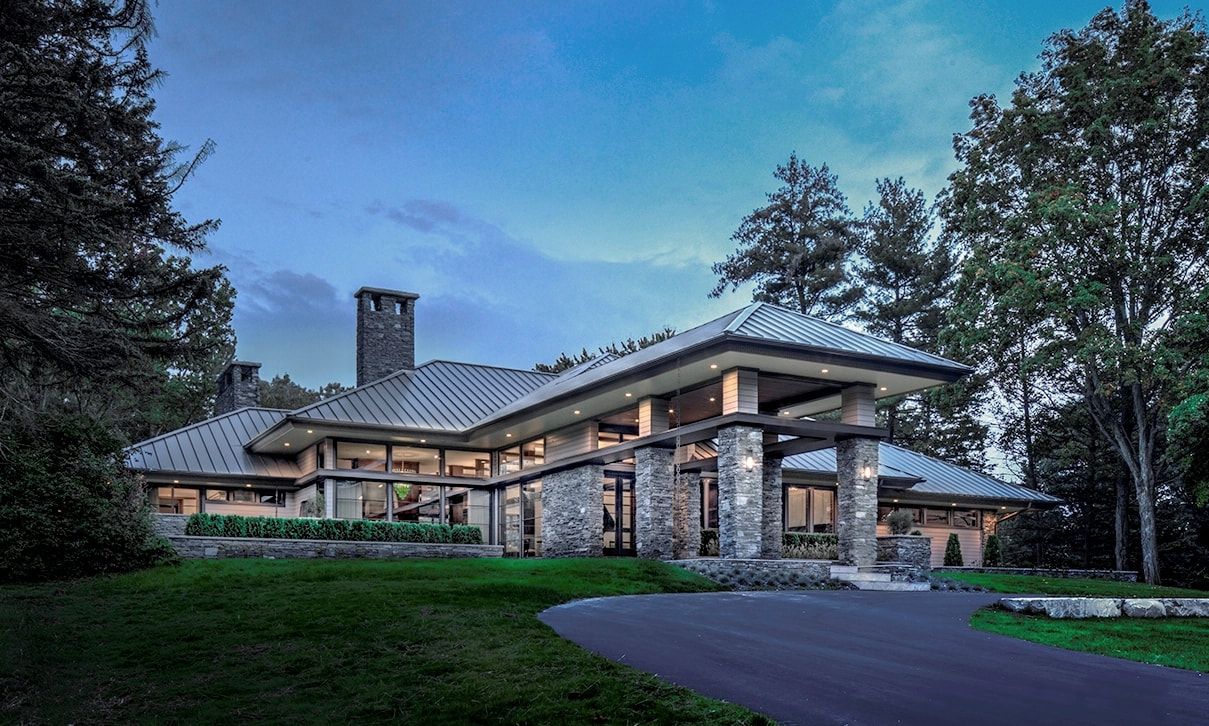









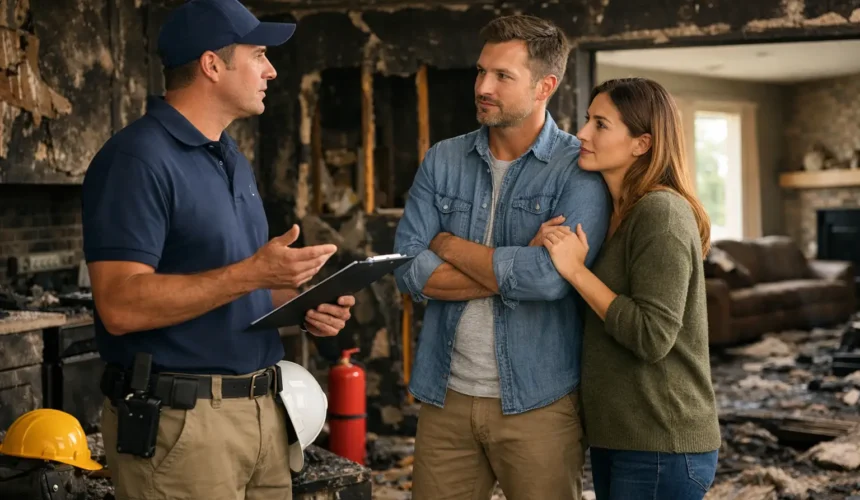
The goal is not to get your property back to where it was. The goal is to rebuild it so it feels whole again – safe, finished, and fully under control.
That is the standard a fire damage restoration contractor should be held to. After a fire, most owners are not just dealing with burned materials. They are dealing with smoke migration, hidden structural damage, disrupted operations, insurance documentation, code upgrades, and the pressure to make fast decisions while the building is still unstable. This is where the wrong contractor creates a second disaster. The right one brings order early.
What a fire damage restoration contractor actually does
A true fire damage restoration contractor is not just a cleanup crew and not just a basic general contractor. Fire loss work sits at the intersection of demolition, damage assessment, code compliance, rebuild planning, trade coordination, and finish restoration. That mix matters.
In the first phase, the job is about stabilization and clarity. Damaged materials need to be removed properly. Soot and smoke contamination need to be identified beyond the visibly burned areas. Structural components need to be evaluated, not guessed at. Moisture can also become part of the problem if suppression efforts soaked framing, insulation, and finishes.
Then the project shifts. Now it becomes a rebuild, and that is where many restoration projects lose control. The contractor must define what is being restored, what must be replaced, what needs redesign, and what current code requires that did not exist when the property was first built. Without that level of scope control, the project starts as restoration and ends as improvisation.
Why fire restoration projects go sideways
Most failures in fire loss projects are not caused by the fire itself. They are caused by poor scoping, weak coordination, and rushed assumptions.
A contractor walks in, writes a loose estimate, starts demolition, and promises answers later. Later is expensive. Once walls are open and trades are moving, missing details turn into change orders, scheduling gaps, and insurance friction. Owners feel like they are always reacting. Commercial clients lose operational time. Homeowners lose confidence.
Fire damage is rarely isolated to one room in the way people hope it is. Smoke travels. Heat deforms materials that may still look intact. Water from suppression can affect floors below or adjacent spaces. Electrical, insulation, cabinetry, millwork, and interior finishes may all be part of the same loss event. A contractor who treats the project as simple patchwork usually leaves problems buried behind new finishes.
That is why documentation matters so much at the front end. Not because paperwork is impressive, but because a fire loss rebuild without a documented scope becomes a moving target.
How to evaluate a fire damage restoration contractor
The first question is not how fast they can start. It is how they define the job.
A capable contractor should be able to explain how they assess hidden damage, how they separate emergency work from permanent rebuild work, and how they document the full scope before reconstruction begins. If their process depends on figuring things out as they go, you should expect cost drift and schedule drift to follow.
You also want to see whether they can operate beyond restoration language and into full construction language. Fire rebuilds often require design coordination, permit handling, inspections, and code-driven upgrades. If the contractor can only speak about cleanup and demolition, they may not be equipped for the full rebuild.
This is especially important in larger residential and commercial settings. A retail unit, office, restaurant, or custom home cannot be rebuilt well through fragmented handoffs. The owner needs one disciplined chain of control from assessment through completion.
Scope before speed
Speed matters after a fire. But false speed is expensive.
A contractor who tears through demolition without defining the rebuild scope can make the site look active while the real decisions remain unresolved. Fast movement at the wrong stage does not create momentum. It creates blind spots.
The better approach is structured urgency. Stabilize the property. Document conditions. Confirm the extent of damage. Build the scope. Then sequence the rebuild with intent. That is how schedule pressure gets managed without sacrificing control.
Trade quality is not enough without trade coordination
Many owners assume the issue is simply hiring skilled trades. Skilled trades matter, but they are not the whole story.
Fire restoration requires coordination between demolition, cleaning, framing, insulation, drywall, cabinetry, finishes, inspections, and often redesign. Even strong trades underperform inside a weak system. Miss one handoff, and the whole project starts slipping.
This is where a vetted trade network and a structured sequence become a real advantage. You are not buying isolated labor. You are buying execution.
The rebuild is where the real value shows
A lot of firms can remove damaged material. Far fewer can rebuild the property to a standard that feels intentional rather than repaired.
That distinction matters. In a home, the rebuilt kitchen, bathroom, basement, or full interior should not feel like a collection of insurance allowances stitched together. It should feel resolved. The lines should make sense. The finishes should align. The rebuilt space should belong to the rest of the home.
In a commercial property, the standard is even sharper. The space needs to reopen with confidence. Layout, code compliance, function, finish durability, and brand presentation all matter. The project cannot stall in the gap between restoration and construction.
A strong fire damage restoration contractor understands that the rebuild is not a cosmetic afterthought. It is the main event. The client remembers how the finished space performs, not just how quickly debris was removed.
What process should look like after a fire
The best fire restoration projects feel calm because the system is clear.
That means the scope is documented before reconstruction starts. Material selections are not left vague. Code and permit implications are identified early. Scheduling is sequenced instead of improvised. Communication is regular enough that the owner does not have to chase updates.
This is exactly why process-led builders outperform traditional contractor models on large loss work. A documented scope eliminates gray areas. A vetted trade network reduces site risk. Structured scheduling keeps the project moving in the correct order. Those are not internal contractor preferences. They directly shape cost control, finish quality, and time to completion.
For clients in the Greater Toronto Area dealing with significant residential or commercial fire loss, this level of structure is not excessive. It is what the project requires.
Fire damage restoration contractor or general contractor?
Sometimes the right answer is both.
If the loss is minor and isolated, a restoration-focused contractor may be enough. But when the project includes structural repair, interior redesign, full-room or multi-room reconstruction, custom millwork, commercial fit-out requirements, or complex code compliance, you need a builder that can carry the job from damage assessment into complete rebuild.
That is the gap many clients discover too late. One vendor handles emergency response. Another handles cleaning. Then someone else prices reconstruction. Then trades get assembled piece by piece. Responsibility gets diluted. Accountability follows.
A process-led builder closes that gap. At Spartan Builders, large loss fire rebuilds are handled with the same discipline as a high-performance renovation or commercial interior project: complete scope documentation through ClearScope™, vetted licensed and insured trades through The Builders Plug™, and sequenced delivery through The Spartan System™. The result is not just a repaired property. It is a controlled rebuild.
Questions worth asking before you sign
Ask how the contractor documents fire, smoke, and water-related damage across the full affected area. Ask who handles permits and code review. Ask how finish scopes are defined so reconstruction does not stall in allowances and assumptions. Ask who is managing communication between insurance stakeholders, trades, and inspections.
Then listen carefully to the answers. Strong contractors answer directly. Weak ones hide behind speed, optimism, or vague promises.
After a fire, people want reassurance. That is natural. But the most useful reassurance is not a comforting sales line. It is a contractor who can show you how the project will be controlled from the first assessment to the final walkthrough.
The right fire damage restoration contractor does more than restore a structure. They restore decision-making, momentum, and confidence. When that happens, the building stops feeling like the site of a loss and starts feeling like yours again.