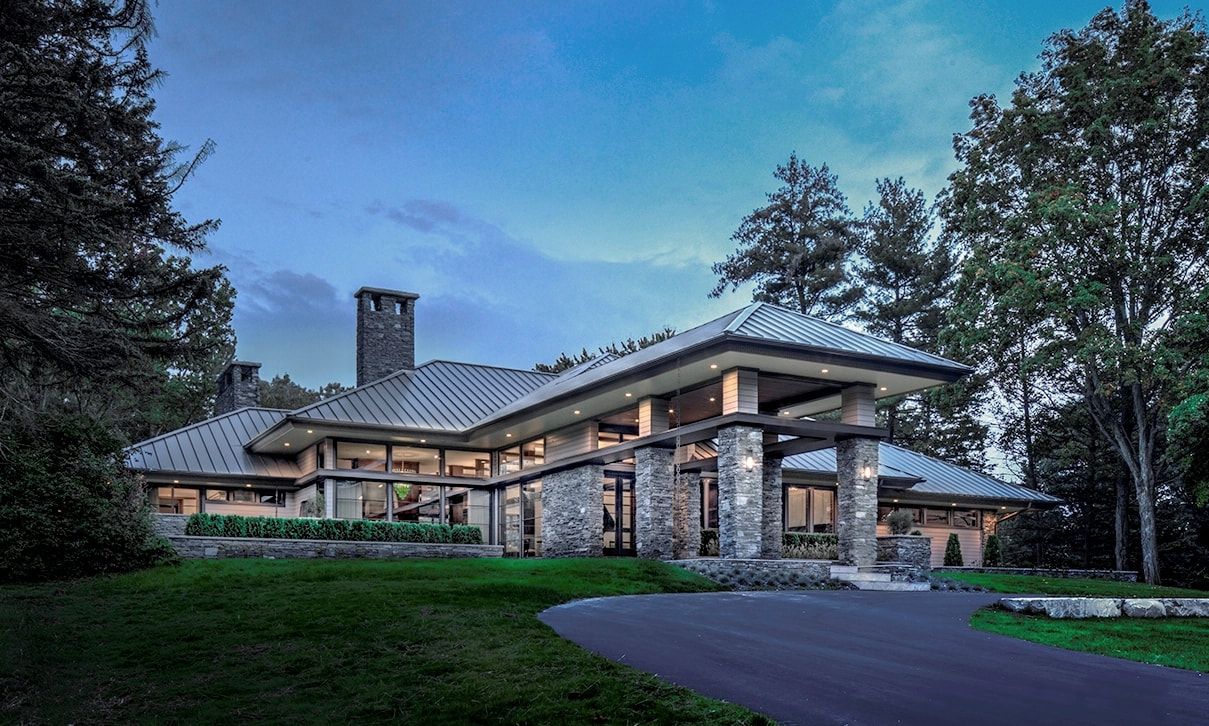










The best structural renovation feels invisible when it is finished. Rooms open the way they should have from the start. Floors feel solid. Light moves farther. The house works harder without looking forced.
That result is never created on demolition day. It is created before anyone touches a wall. If you are asking how to prepare for structural renovation, the real answer is not simply permits, drawings, and a crew. It is control. Structural work changes how a building stands, carries load, and performs over time. Once that starts, vague planning becomes expensive very quickly.
A clean renovation begins with a clear decision: what exactly needs to change, and why? Some projects need a single beam to open a kitchen. Others involve posts, footings, floor reinforcement, additions, or full internal reconfiguration. These are very different scopes with very different levels of complexity. Treating them the same is where projects drift.
How to prepare for structural renovation before design starts
Most owners start with the visible goal. A larger kitchen. A main floor that feels connected. A second-story addition. Better use of a basement. That is the right instinct, but structural renovation needs one layer deeper. You need to define the performance goal behind the design goal.
Do you want longer sightlines, more natural light, and better flow between rooms? Do you need a layout that supports a growing family, a home office, or a commercial use with code-driven occupancy requirements? The more precisely you define the end state, the more accurate the structural plan becomes.
This is where many projects go off course. A client says they want an open concept layout. A builder prices demolition and framing based on a quick walk-through. Later, the realities appear: concealed beams, undersized supports, uneven floors, old alterations, or missing documentation from previous work. The visible idea was simple. The hidden building was not.
Preparation means translating vision into verified scope before construction pricing is treated as real.
Start with existing conditions, not assumptions
Every structural renovation sits on top of an existing building story. Some homes in the Greater Toronto Area have been altered three or four times across decades. Commercial spaces often carry legacy work that was done to suit earlier tenants. What is behind the drywall matters more than what is on the mood board.
That is why the first serious step is understanding existing conditions. This usually means site measurement, selective investigation where appropriate, and a review of how loads are currently carried from roof to foundation. You are not just checking whether a wall can come out. You are checking what that wall is doing, what else depends on it, and what must replace its function.
In practice, structural preparation often exposes issues that are not deal-breakers but absolutely affect planning. You may find sagging joists, undersized headers, previous notching, shifted bearing points, or foundation conditions that change the engineering response. None of this is dramatic when discovered early. All of it is disruptive when discovered after contracts, schedules, and material orders are already in motion.
The right drawings change everything
If you want to know how to prepare for structural renovation properly, focus on documentation. Not generic sketches. Not a rough idea of where the beam goes. Documentation detailed enough that engineering, permitting, trade coordination, and pricing are all working from the same source.
This is where disciplined builders separate themselves from the industry noise. A structural renovation without a fully defined scope creates confusion at every handoff. Designers see one version. Engineers solve for another. Trades build from field interpretation. Owners assume everyone is aligned when they are not.
Strong documentation should define demolition limits, structural interventions, framing revisions, affected finishes, transition points, and any connected work required to restore the space properly. Structural work is never just structure. Once a wall moves, flooring, millwork, lighting layouts, door alignments, and finish continuity are all part of the real scope.
At Spartan Builders, this is exactly why scope documentation matters before site work begins. A project moves better when everyone is building from the same plan, with the same material expectations and the same sequence.
Engineering is not a formality
Owners sometimes view structural engineering as a permit requirement. It is more than that. Engineering is the framework that turns an architectural idea into something buildable, code-compliant, and durable.
A good engineer is not there to slow the project down. They are there to define the right beam size, support locations, connection details, bearing conditions, and reinforcement strategy based on real loads. In some projects, engineering also shapes how much disruption the build will create. A smarter structural solution can reduce invasiveness, preserve more of the existing home, or simplify sequencing.
This is one of those moments where it depends. A relatively straightforward load-bearing wall removal may be solved cleanly. A larger reconfiguration involving additions, long spans, or foundation work may require more extensive structural design and coordination. The point is not to fear complexity. The point is to identify it early enough to manage it.
Permits, approvals, and timing
Structural work changes the approval path. In most cases, you are no longer dealing with cosmetic renovation. You are dealing with reviewed drawings, code compliance, and inspections tied to specific phases of the work.
That affects schedule more than many owners expect. If your project requires architectural drawings, structural engineering, zoning review, or permit revisions, those steps need to be built into the pre-construction timeline. Rushing this stage usually does not save time. It just shifts uncertainty into construction, where the consequences are more expensive.
For homeowners, this is also the point to decide how the renovation affects occupancy. Some structural projects can be phased while the home remains livable. Others should not be. If floors are being opened, temporary shoring is required, or primary living zones are offline for an extended period, living through the work may cost more in disruption than it saves in convenience.
Commercial clients face a similar decision through operations. Can work be phased around business hours? Will code upgrades affect occupancy timing? Does the renovation trigger related compliance items beyond the structural scope? Asking these questions before mobilization protects the schedule you actually care about.
Build the sequence before the build starts
A structural renovation is won or lost in sequencing. Demolition, shoring, framing, steel installation, inspections, enclosure, and finish restoration all depend on each other. If the order is loose, the site becomes reactive. That is when trades collide, lead times slip, and simple tasks start waiting on unresolved decisions.
Preparation means mapping the work in the order it truly needs to happen. Not the order that looks fast on paper.
Temporary support is one example. If a load-bearing element is being removed, the site needs a clear plan for shoring before demolition begins. Material access is another. If a large beam needs to enter the building, the route matters. So does protection of finished areas, staging, debris removal, and inspection timing.
Good sequencing also respects what comes after structure. Once framing is complete, are finish selections already resolved? Are custom dimensions coordinated? Has the transition between old and new flooring been addressed? Structural projects often feel delayed by “small” decisions that should have been made weeks earlier.
Choose a builder that can control complexity
Not every contractor is built for structural renovation. That is not criticism. It is simply a fact of project type.
Structural work requires more than trade access. It requires coordination across design intent, engineering logic, permit obligations, site safety, sequencing, inspections, and finish recovery. The builder needs to think beyond installation. They need to see the whole chain.
This is the practical standard to use when evaluating a team. Can they document the full scope before work starts? Can they explain what is known, what still needs verification, and where allowances for uncertainty remain? Can they show how communication, milestone tracking, and trade coordination will be managed once the project is live?
If the answers are vague before demolition, they will not become clearer after it.
Protect the outcome, not just the structure
The final stage of preparation is often overlooked because it feels less technical. It is still critical. You need to decide how the finished space will be protected from compromise during the build.
That means confirming finish intent early, especially at transition zones where structural work meets visible design. It means aligning cabinetry, lighting, flooring, trim, and wall conditions with the structural plan, not treating them as separate conversations. It also means making sure the site is set up for clean communication, because decisions will still arise and they need to be handled fast and in writing.
The best preparation gives you fewer surprises, but more importantly, it gives you a way to respond when surprises appear. Old buildings can always reveal something new. The difference between a controlled project and a chaotic one is not whether issues exist. It is whether the team has already built the framework to absorb them.
If you are preparing for structural renovation, think bigger than the beam, the permit, or the demolition date. Think about the finished space you want to live or work in, then build the documentation, engineering, and sequence that can actually deliver it. That is how structural renovation stops feeling risky and starts feeling precise.