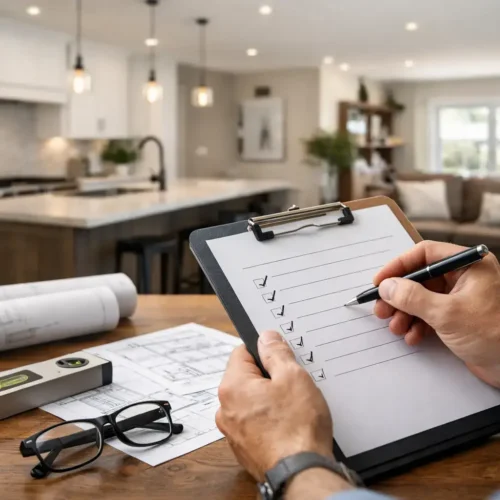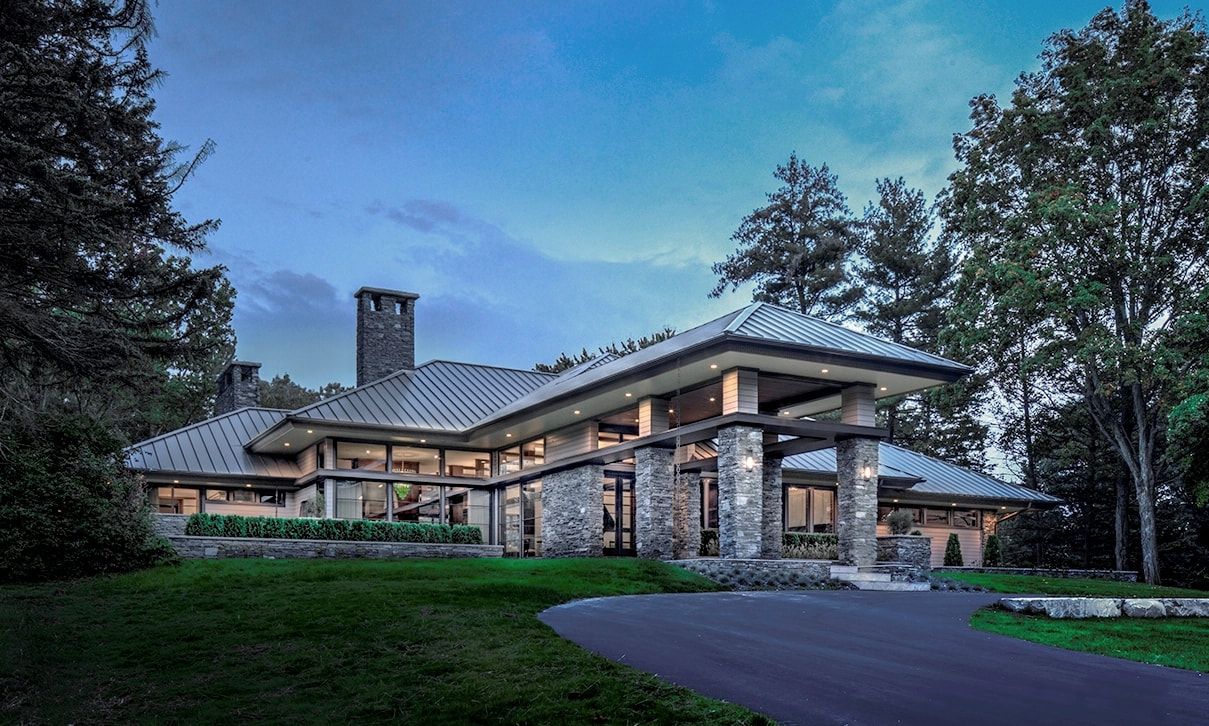





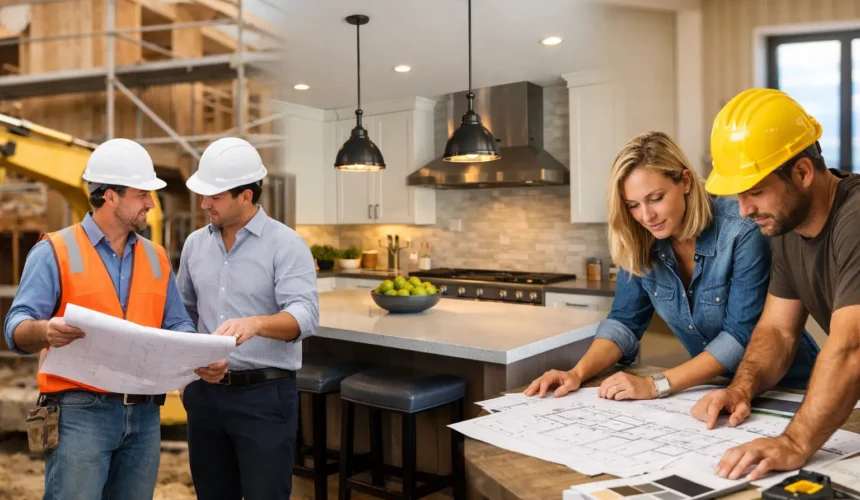
Picture a renovation or new build where the layout, finishes, engineering, permits, and construction all move in one direction from day one. Fewer handoffs. Fewer surprises. More control. That is the core answer to what is design build construction.
Design-build construction is a project delivery method where one company leads both the design side and the construction side under a single contract. Instead of hiring a designer first and then handing plans to a separate builder, the client works with one integrated team. That team develops the vision, documents the scope, coordinates technical decisions, and executes the build.
For homeowners and business owners, that difference is not small. It changes how decisions get made, how risks are managed, and how likely the final space is to match what was promised at the start.
What is design build construction in practice?
In practice, design-build means the people shaping the space and the people pricing and building it are in the room together early. The designer is not creating in isolation. The builder is not pricing incomplete information after the fact. Engineering, material selections, code requirements, sequencing, and site realities are considered while the design is still taking shape.
That matters because most project pain starts in the gap between intent and execution. A beautiful concept can fall apart when it hits structural conditions, permit comments, lead times, or trade coordination. With design-build, those issues are surfaced earlier, when they are easier and less expensive to solve.
For a kitchen renovation, that might mean cabinetry design is developed with appliance specs, lighting layout, framing conditions, and installation sequencing already in mind. For a commercial fit-out, it means the design is being shaped around code compliance, operational flow, and construction logistics before the project reaches the field.
How design-build differs from traditional construction
The traditional model separates design and construction into different contracts and often different priorities. An architect or designer creates the plans. Then contractors bid on them. On paper, that can sound clean. In reality, it often creates fragmentation.
If the drawings are incomplete, the contractor fills in the gaps. If the budget does not align with the design, redesign begins. If field conditions differ from assumptions, responsibility starts moving around the table. None of that helps the client.
Design-build is built to reduce that friction. One team owns the transition from concept to construction. Communication is tighter. Pricing is informed earlier. Revisions can happen with direct input from the people who will actually execute the work.
That does not mean every design-build firm operates at the same level. The model is only as strong as the system behind it. If scope documentation is vague, trade coordination is weak, or client communication is reactive, the label alone solves nothing.
Why clients choose design-build
Most clients are not looking for a delivery method. They are looking for certainty. They want the finished kitchen to feel right. They want the addition to integrate with the home, not feel attached to it. They want the office or retail space to open without chaos at the end.
Design-build appeals to that because it creates a clearer path from idea to result. The same team that helps define the vision is also responsible for building it. That alignment tends to produce better decisions around constructability, timeline planning, and material coordination.
It also improves accountability. When one team owns the design-development and build phases together, there is less room for finger-pointing. Questions get answered faster because the people responsible are already connected.
For clients who value speed, design-build can also compress timelines. Certain design, permitting, and pre-construction activities can overlap more efficiently than they do in a fully separated model. That does not mean rushing. It means reducing dead space between phases.
The biggest advantages of design-build construction
The strongest advantage is integration. Design and construction are not treated like separate events. They are managed as one disciplined system.
That usually leads to better scope clarity. When the build team is involved during planning, specifications become more realistic and complete. Material choices can be evaluated against installation requirements, lead times, and performance. The project becomes easier to price accurately because fewer assumptions are floating in the background.
Another advantage is decision speed. Clients are not waiting for one party to ask another party, who then asks a consultant, who then circles back three days later. Integrated teams can resolve issues faster because they are set up to do that from the start.
There is also a design advantage here. Good design-build does not reduce design ambition. It protects it. A strong team can preserve the intent of the space while making smart adjustments that support budget alignment, code compliance, and execution.
The trade-offs to understand
Design-build is not magic. It is a better structure for many projects, but it still depends on the quality of the firm leading it.
One trade-off is that clients are not collecting multiple construction bids after a finished design package is complete. For some people, that feels unfamiliar. They may worry they are giving up comparison shopping. But the deeper question is whether those comparisons are based on the same scope, the same assumptions, and the same level of documentation. Often, they are not.
Another trade-off is that design-build requires trust earlier. The client is choosing a team, not just a price. That is why documentation, process transparency, and communication standards matter so much. If a firm cannot explain how scope is developed, how selections are tracked, how changes are managed, and how milestones are communicated, the model loses its strength.
This is where disciplined systems separate serious builders from generic contractors. A documented scope before construction starts. Vetted trades. Structured scheduling. Clear client communication. Those are not extras. They are the foundation.
When design-build is the right fit
Design-build works especially well when the project is complex, custom, time-sensitive, or highly finish-driven. Full home renovations, additions, custom homes, restaurant interiors, office spaces, and technically demanding remodels benefit from early collaboration between design and construction.
It is also a strong fit for clients who want fewer moving parts. If you do not want to coordinate separate designers, consultants, trades, and builders on your own, design-build creates a cleaner chain of responsibility.
For professionals referring a builder, it can be the right model when design intent needs protection during execution. An integrated builder can coordinate details, resolve field conditions, and maintain momentum without compromising the vision.
That said, not every project needs a full design-build structure. If the design is already fully completed, fully coordinated, and ready for pricing, a client may simply need a construction partner. The right answer depends on how much has been defined and how much still needs to be solved.
What to ask before hiring a design-build firm
Ask how the scope is documented before construction begins. Ask who leads design, who manages permits, who coordinates engineering, and how selections are tracked. Ask how pricing evolves as design decisions are made. Ask what happens when hidden site conditions appear or a material lead time changes.
You should also ask how the firm communicates during the project. Not vague promises. Actual structure. Who updates you, how often, and at what milestones.
A serious design-build team should be able to answer those questions without hesitation. At Spartan Builders, that level of control is built into systems like ClearScope, The Builders Plug, and The Spartan System because execution is only as strong as the structure behind it.
What is design build construction really buying you?
Not just convenience. Control.
The real value of design-build is not that one company does more. It is that the project is organized around alignment from the beginning. The design is shaped with execution in mind. The build is guided by documented intent. The client is not left managing the gaps between disconnected players.
That is why design-build continues to appeal to serious homeowners, commercial clients, and referral partners. When the space matters, when timing matters, and when the result needs to feel as good in real life as it did on paper, an integrated model makes sense.
The best projects do not happen because everyone hopes things will line up. They happen because the right team built alignment into the job before the first wall is opened.