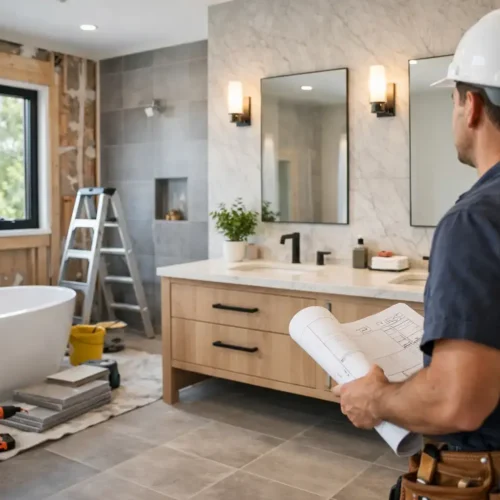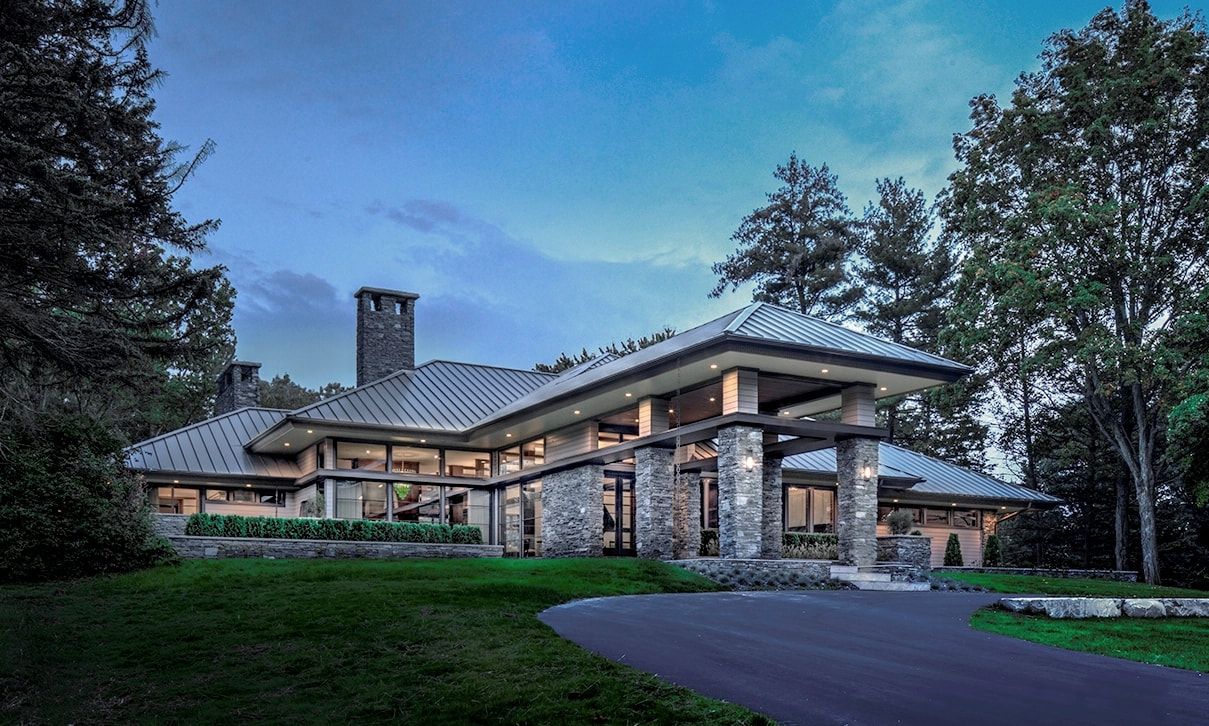










Picture the finished space first. Cabinets aligned exactly as planned. Lighting where it belongs. Millwork, tile, paint, fixtures, and hardware landing in the right sequence. No stalled trades. No disappearing crew. No three-week pause because one decision was left hanging.
That is the real answer to how to avoid contractor delays. Not pressure. Not daily chasing. Not hoping a builder “stays on top of it.” Delays are usually set in motion before demolition starts. They come from unclear scope, missing selections, weak scheduling, poor trade coordination, and communication that relies on memory instead of documentation.
If you want a project to move with control, you have to build the conditions for speed before the first truck arrives.
How to avoid contractor delays starts before construction
Most clients assume delays happen on site. A crew runs late. A material shipment slips. An inspector reschedules. Those things do happen. But on well-run projects, they are absorbed because the structure around the project is strong.
The bigger risk is starting too early.
When a project begins with partial drawings, unfinished selections, vague allowances, or verbal assumptions, the schedule is already unstable. Trades can only move as fast as the information in front of them. If the tile layout is undecided, the setter waits. If cabinetry dimensions are not coordinated with framing and electrical locations, everyone slows down. If the scope changes midstream because key details were never documented, every correction pushes the next trade.
Fast projects are rarely rushed. They are prepared.
Scope is where schedule control begins
A contractor cannot reliably schedule what has not been clearly defined. This is why complete scope matters more than optimistic timelines.
A real scope is not a short estimate with broad categories. It is a documented plan that defines what is being built, what materials are being used, what conditions exist on site, what approvals are required, and where one trade’s responsibility ends and the next begins.
That level of definition does two things. First, it reduces decisions during construction. Second, it exposes conflicts before they become delays.
At Spartan Builders, this is exactly why ClearScope™ exists. The point is simple: document the project completely before a single trade steps in. That is how you protect pace without sacrificing accuracy.
The decisions that delay projects most often
Clients are often told delays are “part of construction.” Some are. Many are avoidable.
The most common source is late selection work. Finishes, fixtures, appliances, hardware, glass, doors, custom cabinetry details, and specialty materials all affect sequencing. If these decisions are not finalized early, ordering slips. If ordering slips, installation slips. If installation slips, downstream trades lose their window.
The second issue is design drift. A client sees the space taking shape and wants to improve it. That instinct is natural. Sometimes the change is worth it. But every revision has a ripple effect. A simple layout adjustment can affect framing, mechanical coordination, cabinetry, stone templates, and inspections. The trade-off is not whether changes are allowed. The trade-off is whether the value of the change justifies the disruption.
The third issue is hidden site conditions. In renovations, especially older homes and commercial spaces, surprises behind walls are real. Structural deficiencies, water damage, outdated assemblies, or noncompliant past work can change the path forward. You cannot eliminate that risk entirely. You can reduce its impact with thorough site review, realistic contingency planning, and a builder who knows how to re-sequence work instead of letting the whole project stall.
How to avoid contractor delays with better scheduling
A schedule is not a promise unless it is tied to real sequencing.
Many builders provide a start date and a finish date. That is not enough. A serious schedule identifies milestones, dependencies, lead times, approval points, and the order in which trades can actually work without colliding. It also accounts for what cannot happen simultaneously.
For example, custom cabinetry cannot be measured accurately before substrate conditions are ready. Stone cannot be templated before cabinets are installed and confirmed. Painting final coats too early invites damage from later trades. Speed without sequence creates rework. Rework creates delays.
A good schedule also distinguishes between fixed dates and moving parts. Permit timing, inspection windows, custom fabrication, imported finishes, and specialty glass all carry different levels of certainty. Strong project planning builds around those variables rather than pretending they do not exist.
This is where systems matter. The Spartan System™ is built around structured delivery, milestone tracking, and clear communication because schedules fail when they live only in someone’s head.
Trade coordination is where timelines are won or lost
Even with a solid plan, execution depends on the people entering the site.
One weak trade can disrupt six strong ones. If a framing crew leaves inaccuracies behind, cabinetry, tile, trim, and glass all suffer. If a subtrade is unreliable, the schedule develops gaps that are hard to recover from. This is why contractor selection should never be based on who can start fastest. Availability without discipline is not an advantage.
You want a builder with a vetted trade network, not a rotating cast assembled job by job. Licensed, insured, accountable trades work differently because they know they are part of a system larger than one invoice. They understand standards, handoffs, and sequencing.
That is the logic behind The Builders Plug™. Reliable trade relationships are not a bonus feature. They are part of schedule control.
Communication should remove uncertainty, not create more of it
Clients often think frequent communication is enough. It is not. Daily texts with no structure can create the illusion of transparency while leaving major issues undocumented.
What keeps a project moving is useful communication. Decisions are confirmed. Changes are priced and approved before execution. Material status is tracked. Milestones are reported clearly. Delays, if they arise, are explained with next steps attached.
This matters for homeowners and business owners alike. In a home renovation, poor communication creates stress and bad decisions. In a commercial buildout, it can affect occupancy timing, staffing, vendor scheduling, and launch plans. In both cases, the cost of ambiguity is time.
Strong builders do not wait for clients to chase updates. They create a communication rhythm that keeps the project legible from start to finish.
What to ask before you hire a contractor
If you are trying to understand how to avoid contractor delays, the hiring phase is where you gain leverage.
Ask how the scope is documented before construction begins. Ask whether selections must be finalized by a certain date. Ask how long-lead items are identified and tracked. Ask who builds the schedule and how milestones are managed. Ask what happens when site conditions change. Ask how trade partners are selected. Ask how decisions and change orders are approved.
The answers should be precise. If the response is vague, casual, or based on reassurance instead of structure, expect schedule risk later.
There is also a practical point many clients miss: your own responsiveness affects timing. A well-run project still needs timely approvals, quick selection sign-offs, and clear direction when choices arise. The right builder creates order, but the client still has to participate in that order.
Delays are sometimes unavoidable. Disorder is not.
No builder can control every variable. Weather can interfere with certain phases. Municipal timelines can shift. Specialty materials can back up. Existing structures can reveal problems no one could fully see at the start.
But there is a major difference between a project that encounters complexity and a project that is run without control.
The first adjusts, re-sequences, communicates, and keeps moving.
The second stops, blames, improvises, and asks the client for patience every week.
That difference is not luck. It is systems, documentation, and discipline applied early.
If you want to avoid contractor delays, do not focus only on who gives the shortest timeline. Focus on who can explain, with clarity, how that timeline is protected. The right project does not feel rushed. It feels coordinated. Calm. Decisive.
That is what clients are actually looking for when they ask for speed. Not motion for its own sake. A build that moves forward with control, and a finished space that feels exactly as it should when the door opens.