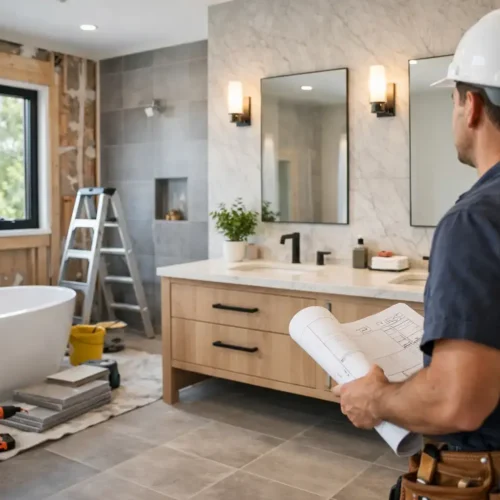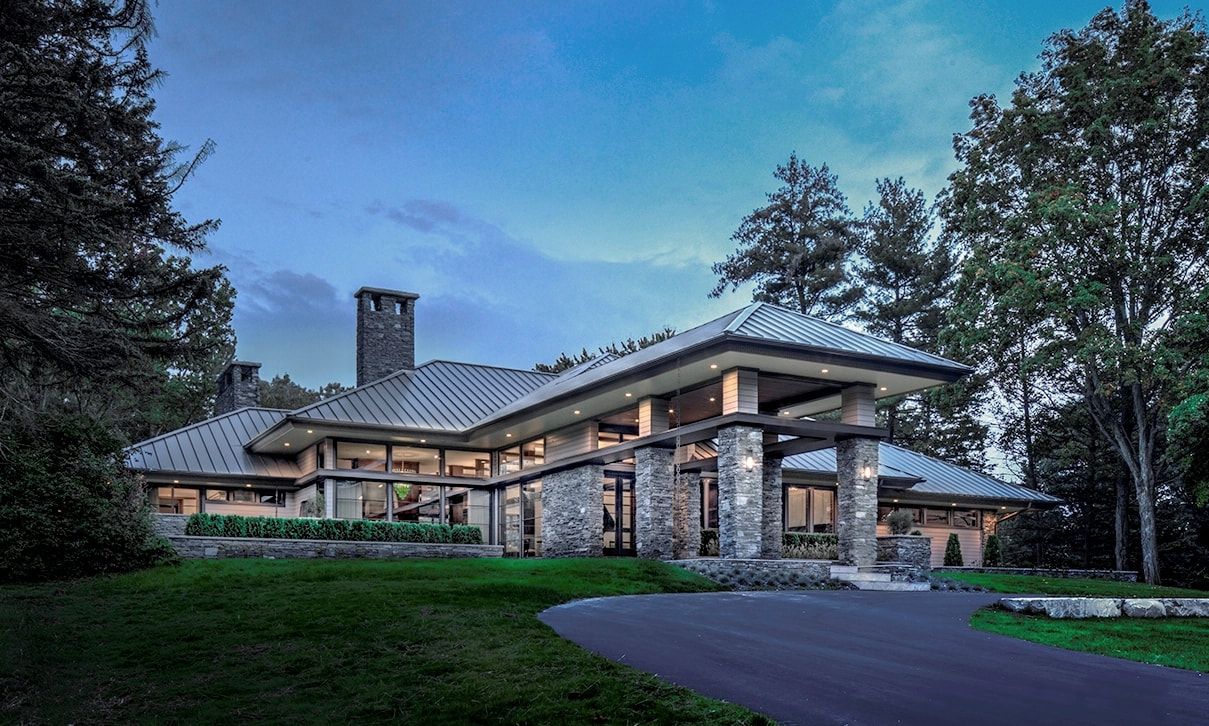










Picture the finished space first. The kitchen that finally flows. The addition that feels like it always belonged. The main floor that works for real life, not just for a listing photo. That result does not come from good luck on site. It comes from knowing exactly how to plan home renovation scope before demolition begins.
Most renovation problems are not build problems. They are scope problems. The work starts before the decisions are complete, details live in text messages instead of documents, and key items get “figured out later.” Later is where budgets drift, schedules stretch, and trust gets tested. A well-planned scope changes that. It gives your builder, designer, and trades one coordinated version of the job.
What home renovation scope actually means
Scope is not a vague wish list. It is the full definition of what is being built, what is being replaced, what is staying, and what standard the finished work must meet. It covers layout, dimensions, materials, assemblies, finishes, fixtures, site conditions, permit implications, and sequencing.
If you are planning a kitchen renovation, scope is not just “new cabinets, counters, and flooring.” It is cabinet construction, appliance locations, panel details, filler sizes, countertop edge profile, backsplash height, lighting positions, flooring transitions, paint boundaries, demolition limits, and the condition of the walls and subfloor behind what gets removed. The more complete the scope, the fewer assumptions your project carries.
That is why experienced builders treat scope as a control system, not paperwork. At Spartan Builders, that principle sits inside ClearScope™ – because a documented project is easier to price, easier to schedule, and far easier to build correctly.
How to plan home renovation scope without blind spots
The first step is not choosing finishes. It is defining the outcome. Ask what the space needs to do when the renovation is complete. Better storage is different from more seating. A larger shower is different from a bathroom that must also age well. A home office for occasional use is different from a full acoustic and lighting environment for daily work.
When the outcome is clear, priorities become easier. This is where many projects quietly go off track. Homeowners mix must-haves with nice-to-haves, then expect the entire list to move forward as one package. That creates friction later when structural realities, permitting, or lead times force trade-offs. A disciplined scope separates essentials from enhancements early.
Start with function before finishes
A beautiful renovation that solves the wrong problem is still a miss. Begin with movement, storage, sightlines, and use patterns. How many people use the room at once? Where does congestion happen now? What needs to be hidden, displayed, or accessed daily? Which spaces need quiet, durability, or light?
This functional brief becomes the lens for every decision that follows. It keeps the project from drifting into disconnected choices that look good individually but fail as a system.
Define what stays, what goes, and what gets touched
One of the fastest ways to create surprise costs is leaving demolition limits unclear. If flooring is being replaced in one area, what happens at adjoining rooms? If cabinetry changes, does the ceiling need patching? If walls open up, are adjacent surfaces being refinished or left as-is? Partial renovation work often affects more area than people expect.
A strong scope identifies the exact footprint of work and the ripple effects around it. Sometimes those ripple effects are worth absorbing to get a cleaner final result. Sometimes they are not. The point is to make that decision before the site is open.
The documents that turn ideas into a buildable scope
Good scope lives in documents, not memory. That usually means measured drawings, reflected ceiling plans where needed, elevations, finish schedules, fixture selections, and notes that explain assemblies or special conditions. Even a modest renovation benefits from this level of clarity.
You do not need complexity for its own sake. You need enough information that the team pricing and building the work does not have to guess. Guessing is expensive. It either inflates the number to protect against risk or lowers it by leaving things out. Neither outcome serves you.
Selections are part of scope, not a later task
Materials and fixtures should not be treated as a shopping exercise that happens after contracts are signed. Selection drives dimensions, framing requirements, electrical planning, cabinetry coordination, waterproofing details, and installation sequencing. A freestanding tub, a slab backsplash, a flush baseboard detail, or integrated appliances all affect the work behind the finish.
If your scope says “owner to select later,” be careful. Sometimes that is reasonable for decorative items. Often it is where scope control starts to erode. The earlier your specifications are locked, the more accurate the project can be.
Existing conditions matter more than people think
Renovations are not new builds on a blank site. Walls are rarely perfectly straight. Floors can slope. Previous work may not meet current code expectations. Hidden conditions are part of renovation reality, especially in older homes across the Greater Toronto Area.
That does not mean every project is unpredictable. It means the scope should account for investigation. Site review, measurements, and selective exploratory work can reduce uncertainty before full construction begins. You may not uncover everything, but you can eliminate a surprising amount of risk.
Sequencing is part of scope planning
Many clients think scope answers what will be built, while schedule answers when. In practice, the two are connected. If a renovation requires permits, millwork lead times, custom glass, stone templates, or structural review, those dependencies need to be considered while scope is being defined.
A scope that ignores sequencing can look complete on paper and still fail in execution. For example, finalizing cabinetry before appliance specs are confirmed is not efficient. Selecting tile before substrate conditions are understood can create rework. Planning a phased renovation in an occupied home without clear separation between active and protected areas creates stress that no finish board can solve later.
This is why disciplined builders map the project in the order it must actually happen. The scope should support the sequence, not fight it.
Where homeowners lose control of renovation scope
The biggest risk is not one dramatic mistake. It is a series of small undecided items. A missing door style. An unresolved transition. A shower niche location decided mid-install. A hardware change after cabinetry production. Each one sounds minor. Together they create change orders, delays, and a jobsite that starts making decisions for you.
Another common issue is assuming drawings alone are enough. Drawings are essential, but they do not always capture standards of finish, responsibility splits, product allowances, or exclusions. Scope needs written definition alongside visual plans. Otherwise two smart people can read the same drawing and picture different outcomes.
There is also the emotional side of scope creep. Once construction starts, ideas become more tempting because the project feels real. Some mid-project changes are worth making. Others cost far more in disruption than they add in value. A strong scope gives you a reference point so changes are intentional, not impulsive.
How to know your scope is ready
A renovation scope is ready when the team can answer practical questions without hesitation. What exactly is being demolished? What exactly is being built back? Which materials and products are already selected? What approvals are required? What are the finish boundaries? What conditions still carry uncertainty? Who is responsible for each part of procurement and coordination?
If those answers are fragmented, the scope is not ready. If they are documented, aligned, and reviewed before work starts, the project has a real foundation.
This is where process matters. Not because process is glamorous, but because it protects the result. The best renovations feel calm long before they look beautiful. They feel controlled. Coherent. Deliberate. That is not an accident. It is the byproduct of scope that was planned with enough depth to support the build.
A better standard for planning home renovation scope
If you want a renovation to feel custom, the scope has to be custom too. Not vague. Not recycled from another project. Built around your space, your priorities, and the technical realities of your home.
That level of planning takes more discipline at the front end. It also gives you something most projects never get enough of – clarity. Clarity in pricing. Clarity in sequencing. Clarity in expectations. And when expectations are clear, execution gets sharper.
The finished space will always get the attention. It should. But the real turning point happens much earlier, when the project stops being an idea and becomes a defined, buildable plan. That is when renovation starts working in your favor.