








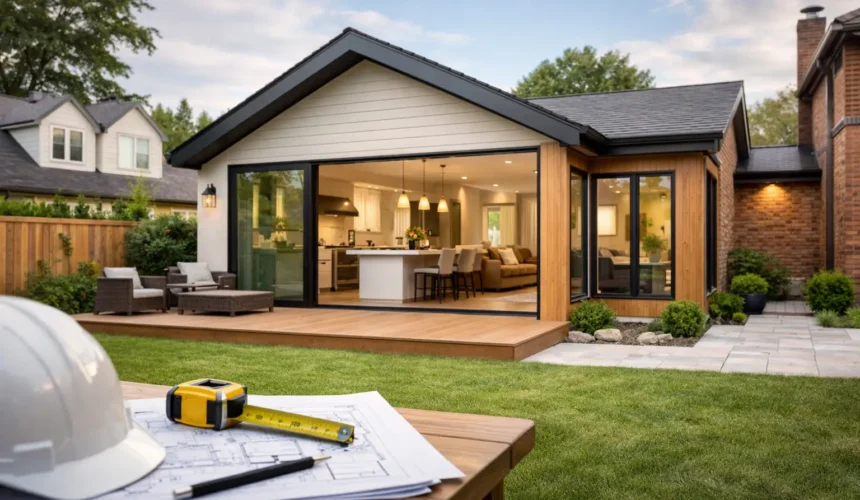
Picture the finished space before you think about permits. A bright rear addition that finally gives the kitchen room to breathe. A second-story extension that turns a cramped layout into a home that fits the way you live now. Good home extension planning Ontario is not just about adding square footage. It is about designing a better daily experience, then building it with enough control that the vision survives contact with reality.
That is where most projects split in two. One path leads to clarity. The other leads to revisions, delays, and a finished result that feels compromised. Extensions are complex because they touch everything at once – design, structure, code, existing conditions, scheduling, and how the old house meets the new one. If the planning is thin, every trade pays for it later, and so does the homeowner.
Why home extension planning in Ontario is different
Ontario home extensions sit inside a real framework. Zoning rules, lot coverage, setback requirements, height limits, energy code, structural review, and permit approvals all shape what can actually be built. In older neighborhoods across Toronto and the GTA, there is another layer: the existing home may carry hidden conditions that no glossy concept drawing will reveal on its own.
That is why extension planning cannot start and end with a floor plan. A beautiful layout that ignores structural loads, drainage conditions, property line constraints, or permit realities is not a plan. It is a draft. The difference matters because every decision made early affects what happens on site later.
A rear addition on a detached home in Mississauga may look straightforward. Then the grade change, foundation tie-in, and beam spans tell a different story. A second-floor extension in North York may seem ideal until the existing structure requires reinforcement far beyond what was assumed. None of this means the project should stop. It means the project should be planned by people who know how design, engineering, and construction interact before demolition begins.
What strong home extension planning Ontario should cover
The first job is defining the outcome with precision. Not broad intentions. Specific ones. How should the new space function at 7 a.m. on a weekday? How should circulation improve? What natural light is missing today? Where does storage fail? A well-planned extension solves a lifestyle problem and does it in a way that still feels architecturally resolved from the outside.
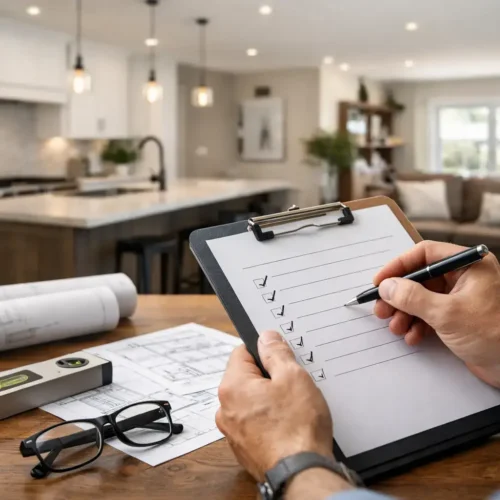
From there, the project needs full scope documentation. This is where many homeowners are exposed without realizing it. If drawings are vague, allowances are soft, and materials are not clearly specified, the project may look organized on paper while remaining unstable underneath. One interpretation from a designer becomes a different interpretation from a framer, and another from a finish carpenter. Small ambiguities become expensive decisions in the field.
Clear documentation changes that. It aligns design intent, engineering requirements, material selections, and construction sequencing before trades arrive. It also gives the homeowner something rare in this industry: visibility. You should be able to understand what is being built, how it will be built, and where the critical decisions sit.
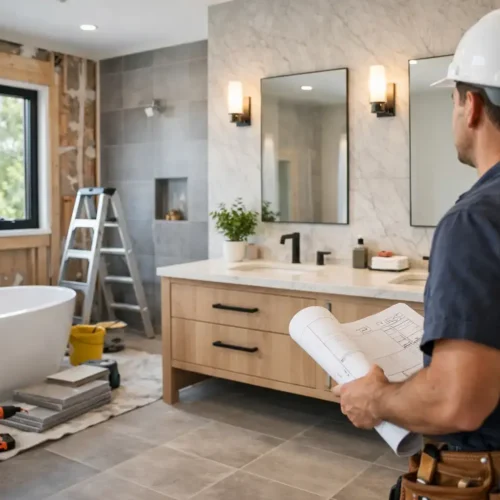
Structural planning is another non-negotiable. Extensions are not isolated structures. They rely on how the existing house performs. Load paths, foundation conditions, roof integration, floor levels, and wall assemblies all need to be considered together. This is especially important in homes that have gone through previous renovations, where actual site conditions may not match old assumptions.
Then comes sequencing. This is where planning becomes execution. An extension affects demolition, temporary weather protection, framing, mechanical coordination, insulation, windows, finishes, and occupancy timelines. If the sequence is poorly managed, trades overlap badly, details get rushed, and rework follows. A project can have good drawings and still suffer if the build order is not controlled.
The decisions that shape the project early
Most extension problems do not begin on site. They begin in early choices that seem minor at the time.
One of the biggest is whether the extension should prioritize footprint or flow. More square footage is not always better if the circulation remains awkward or the original house ends up feeling chopped apart. Sometimes a smaller addition with a stronger connection to the existing layout creates a better result than a larger one with more area but less coherence.
Another is whether the exterior should contrast with the original home or blend quietly into it. There is no universal right answer. A clean contemporary rear addition can look exceptional on a traditional house if the transition is deliberate. In other cases, continuity matters more. What matters most is discipline. Halfway decisions usually produce the weakest architecture.
Window strategy also deserves more attention than it often gets. Homeowners naturally focus on size, but placement matters just as much. An extension can transform a home with better daylight and backyard connection, or it can create glare, privacy issues, and heat gain that make the room harder to enjoy. This is where integrated design thinking matters. The best extension is not just larger. It feels better all day.
Permits, approvals, and the cost of getting ahead of yourself
Many homeowners want to move quickly once they decide to extend. That instinct is understandable, but speed without structure is expensive. Permit drawings, zoning review, engineering, and site-specific requirements are not side tasks. They are part of the build.
In Ontario, approvals can vary depending on municipality, project type, and property conditions. A straightforward addition may move efficiently. A project involving variances, tighter site constraints, or more complex structural work may take longer. This is exactly why realistic pre-construction planning matters. It sets expectations correctly and protects the construction phase from preventable surprises.
Rushing into selective demolition or early commitments before the project is properly documented can create a false sense of momentum. The house looks active. The schedule looks alive. But if key approvals or structural decisions are still unresolved, that momentum is fragile. Real progress comes from alignment, not motion.
Why builder involvement during planning changes the outcome
This is one of the most overlooked parts of extension success. Planning done without serious construction input often looks polished but arrives on site with blind spots. Details that seem minor on paper can affect labor, material lead times, structural coordination, and finish quality in a major way.
When the builder is involved early, planning gets sharper. Assemblies are reviewed with execution in mind. Scope gaps are identified before they become change orders. Material selections can be evaluated for availability, performance, and installation logic. The result is not just a more buildable project. It is a more controllable one.
This is where a process-led firm stands apart. At Spartan Builders, planning is not treated as a soft creative phase before the real work starts. It is the stage where the project earns stability. ClearScope maps the work in detail before construction begins. The Builders Plug brings in vetted, licensed, insured trade partners who can execute to spec. The Spartan System keeps sequencing, milestones, and communication disciplined from start to finish. That combination protects both the design and the homeowner.
How to judge whether your extension plan is actually ready
A project is ready when the major questions are answered before the field team has to improvise. You should know what is being built, how the new structure connects to the old one, what approvals are required, what materials define the visible result, and how the work will move from one phase to the next.
If you are still hearing broad language such as “we will figure that out later,” the planning is probably not done. Some site discoveries are normal. Construction always has variables. But repeated uncertainty around core scope, structural intent, or sequencing is not flexibility. It is exposure.
The strongest extension projects feel calm before they begin. Not because they are simple, but because the complexity has been organized. That is the real purpose of planning.
An Ontario home extension should give you more than extra room. It should make the house feel finally resolved, as if it always meant to be this way. When the planning is disciplined, the build has a chance to live up to that vision.