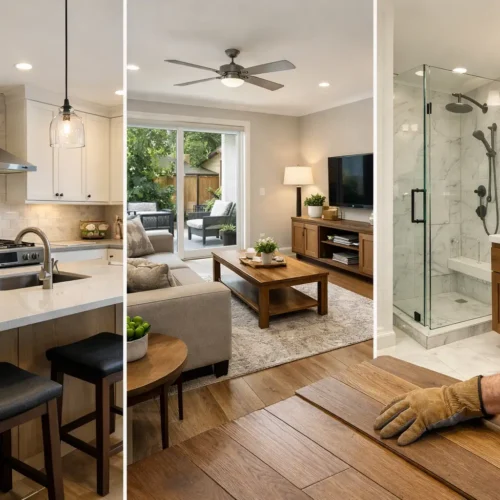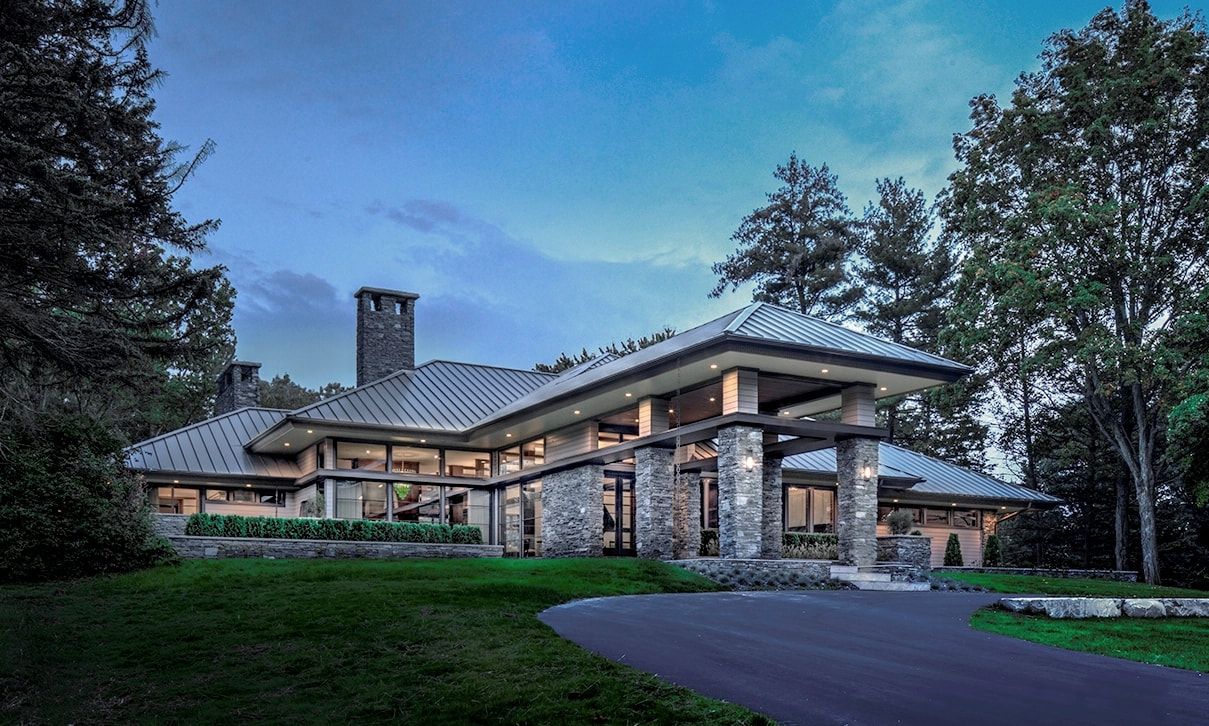









Your next space should feel finished before the first wall moves. The front entry reads clearly. The lighting supports the brand. The layout works on a busy Tuesday, not just in a rendering. A strong commercial tenant improvement guide starts there – with the operational result you need, then a build strategy that can actually deliver it.
Too many tenant improvement projects get treated like cosmetic work. They are not. Even a modest office refresh or retail reconfiguration can trigger code reviews, landlord approvals, permit coordination, lead-time issues, and sequencing conflicts between trades. If the scope is vague at the start, the problems do not stay small. They compound.
This is why the best commercial interiors are not built through guesswork. They are built through documentation, control, and disciplined execution.
What a commercial tenant improvement guide should actually help you do
A useful guide should not just tell you to “plan ahead.” It should help you make better decisions before lease dates, permit timelines, and construction schedules start pushing against each other.
Tenant improvements are the changes a commercial tenant makes to a leased space so it supports real business use. That may mean a new office layout, reception area, meeting rooms, millwork, accessibility upgrades, washroom modifications, lighting revisions, flooring, branded finishes, or a full restaurant or retail fit-out. In some cases, the shell exists and everything else must be created. In others, the space is usable but wrong for your team, customers, or workflow.
The key distinction is this: you are not renovating for appearance alone. You are aligning a leased environment with operations, compliance, and brand experience.
Start with scope, not finishes
Most project trouble starts when teams jump to materials too early. They choose flooring, tile, wall treatments, and fixtures before the underlying decisions are settled. It feels productive. It usually is not.
The first question is how the space needs to perform. An office needs circulation, privacy, acoustics, storage, meeting capacity, and power in the right places. A retail store needs sightlines, customer flow, merchandising zones, point-of-sale coordination, and back-of-house function. A restaurant has even tighter constraints, where layout decisions affect service speed, approvals, and construction complexity all at once.
Once those performance requirements are clear, the scope can be documented properly. That means demolition limits, partition plans, reflected ceiling changes, finish transitions, millwork details, accessibility requirements, and known building conditions. It also means identifying what is landlord responsibility versus tenant responsibility. That split matters more than many tenants expect.
A clean scope does two things. It protects the design intent, and it protects the schedule. Without it, pricing shifts, trade coordination gets loose, and site questions multiply.
Landlord approvals and lease language shape the project
A tenant improvement project does not begin only when construction begins. It begins when the lease and landlord criteria start defining the boundaries.
Some landlords are highly structured. They require drawing packages, insurance documents, engineering review, after-hours work rules, deposit structures, and restoration clauses at lease end. Others are less formal, but that does not make the process easier. It just means more room for assumptions.
Read the lease with construction in mind. Pay attention to approval procedures, base building standards, permitted work hours, signage rules, mechanical and electrical limitations, and who signs off on final work. If there is a tenant allowance, understand what it actually covers. In many cases it does not go as far as tenants assume, especially once custom millwork, specialty finishes, or code-related modifications enter the picture.
This is one of those moments where precision beats optimism. If a lease date is fixed, your project plan has to account for approval time, not just build time.
Design decisions affect permits, pricing, and speed
Not every improvement carries the same level of complexity. Paint and flooring are one category. Reworking partitions, washrooms, egress paths, accessibility features, life safety elements, or food-service layouts is another.
That is why design development matters. Early plans should answer more than aesthetic questions. They should reveal what approvals may be needed, which consultants may need to be involved, and where hidden costs are likely to live.
There is always a trade-off between speed and certainty. If you move to construction with limited documentation, you may start faster on paper, but the project is more exposed to field changes, pricing revisions, and coordination delays. If you invest in a complete scope first, the front end takes more discipline, but execution is more stable.
For most commercial tenants, especially those with opening dates, staffing plans, or public-facing brand standards, certainty is worth more than false speed.
The commercial tenant improvement guide to budgeting without guesswork
Budget conversations often fail because the number is discussed before the scope is real. That creates a fragile plan from day one.
A better approach is to tie cost to documented intent. Pricing should reflect demolition, framing, glazing, drywall, millwork, flooring, ceilings, lighting, finishes, permit-related requirements, site conditions, and project management. It should also reflect what is existing and staying in place, because partial renovations can be harder to sequence than full gut work.
Contingency is not a sign of poor planning. It is a sign of realism. Existing commercial spaces hide surprises – uneven substrates, undocumented changes, outdated assemblies, or service limitations behind finished walls and ceilings. The question is not whether uncertainty exists. The question is whether your project structure accounts for it.
The strongest budgets are not just totals. They are organized decisions.
Scheduling is about sequencing, not dates on a calendar
Tenants often ask how long a project will take. The honest answer is that duration depends on the level of definition, approval timing, material lead times, and the order in which work can happen.
Construction does not move in one straight line. Demolition may uncover conditions that affect framing. Framing affects inspections. Inspections affect drywall close-up. Millwork cannot install before dimensions are confirmed in the field. Flooring transitions may depend on casework, glazing, or paint completion. One loose handoff can push several trades behind it.
Good scheduling is not a generic timeline. It is a sequenced plan with dependencies understood in advance. That is where disciplined builders separate themselves from the field. They do not just promise a deadline. They build a delivery path that can support one.
For occupied spaces, the scheduling challenge gets sharper. You may need phased work, after-hours coordination, dust control, temporary access routes, or protected operations during the build. A contractor who treats that lightly usually creates disruption you end up paying for in a different form.
Why contractor selection matters more in tenant improvements
Tenant improvement work looks simple from the outside because much of it happens indoors. In reality, interior commercial work demands tighter coordination than many larger projects.
You are often working within lease obligations, landlord rules, brand requirements, active building conditions, and opening deadlines at the same time. That means the builder has to think beyond trades. They need to understand documentation, approvals, sequencing, communication, and site control as one integrated system.
This is where process matters. A builder should be able to show you how the scope is captured before work starts, how trade partners are selected and managed, how milestones are tracked, and how changes are documented when conditions shift. If those answers are vague, the project will likely become reactive.
At Spartan Builders, that is why our work is structured around documented scope, vetted trade coordination, and disciplined project delivery. The point is not more paperwork. The point is fewer surprises and better control.
Common failure points in commercial fit-outs
The pattern is familiar. Scope is incomplete. Pricing is based on assumptions. Approvals start late. Materials are selected without checking lead times. Site conditions are discovered after the schedule is already compressed. Communication gets scattered between tenant, landlord, designer, and trades.
None of that is unusual. It is just avoidable.
The fix is not complexity for its own sake. It is clarity. Clear scope. Clear responsibilities. Clear sequencing. Clear decisions at the right time. When a project has that structure, everyone works from the same set of facts.
What to prepare before you start
Before you engage a builder or push drawings too far, assemble the information that drives decision-making. That includes your lease requirements, any landlord manuals, existing plans if available, your operational needs, your brand priorities, target occupancy dates, and known constraints in the building.
It also helps to define what cannot slip. For some tenants, that is opening date. For others, it is acoustic privacy, customer experience, or durable finishes in high-traffic areas. Every project has a pressure point. If your team names it early, the design and construction plan can protect it.
A commercial space should not just look complete on handover day. It should feel resolved. Staff should know how to use it. Customers should understand it instinctively. The business should operate better because the space was built with intent.
That is the standard worth building to. Not faster for the sake of faster. Not cheaper for the sake of cheaper. Clear enough to perform, and controlled enough to last.