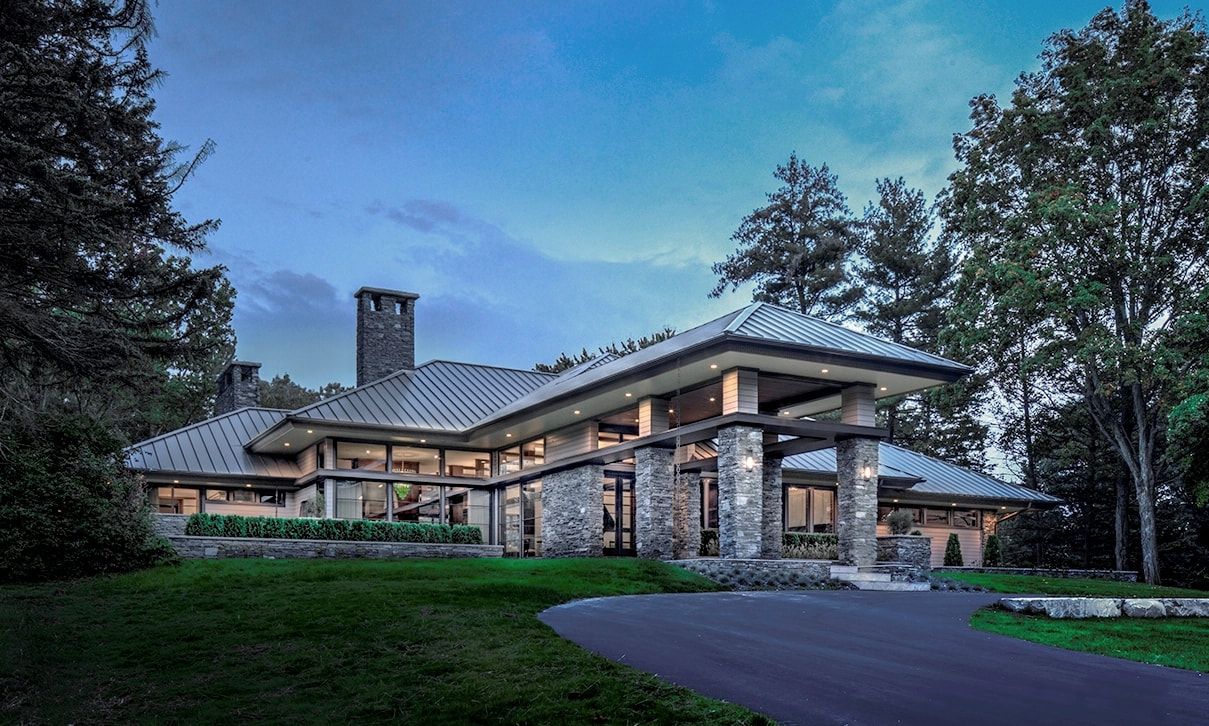










The doors open. Sightlines are clean. Product placement feels intentional. Lighting pulls customers forward instead of washing the room flat. Storage supports the floor instead of fighting it. The POS area works at peak traffic, not just on paper. When preparing to open, having a retail store build out checklist is essential for ensuring every detail aligns. A strong retail store build out checklist is not about checking boxes. It is about protecting the customer experience, the brand, and the opening date.
That is where most projects go sideways. Not because the idea was weak, but because the execution was fragmented. Design lived in one place, approvals in another, field decisions happened late, and trades worked from assumptions. Retail build-outs demand more control than that. Every inch affects flow, merchandising, staffing, and revenue.
Why a retail store build out checklist matters
A retail space has to do several jobs at once. It must sell, guide, store, secure, and represent the brand. It also has to meet code, support daily operations, and survive real customer traffic. If one part is underplanned, the entire space feels less resolved.
This is why the best retail store build out checklist starts before demolition or framing. It starts with intent. What should the customer notice first? Where do they pause? What do staff need within reach? What should remain invisible? These are not design flourishes. They are operational decisions with construction consequences.
A good checklist also creates sequencing discipline. It forces the team to define scope early, coordinate trades properly, and reduce expensive changes in the field. That matters in any commercial project, but retail has less tolerance for drift. Delays affect inventory planning, hiring, merchandising, and launch campaigns.
Start with the store experience, not the construction
Before materials, permits, or fixture orders, define how the store should work. The layout should reflect what the business sells and how customers buy it. A boutique apparel space behaves differently than a wellness clinic retail front, a specialty food concept, or a high-volume service counter.
This phase should answer a few critical questions. What is the primary path through the store? Where are the high-margin displays? How much back-of-house support is needed? Is checkout meant to be fast and visible, or quieter and integrated? If fitting rooms, consultation areas, or tasting counters are part of the concept, they need to be planned into the core layout, not inserted later.
When this thinking happens early, the build becomes cleaner. Millwork can be designed to fit the merchandising strategy. Lighting can support focal points. Power and data can be placed where operations actually need them.
Pre-construction checklist: scope before site work
The most valuable part of any build-out happens before crews arrive. If the scope is vague, construction becomes a series of corrections. If the scope is documented in detail, the project moves with control.
At this stage, the checklist should include measured drawings, lease review, landlord requirements, building rules, code review, fixture plans, reflected ceiling plans, finish selections, and a complete scope of work. Material lead times should also be verified now, especially for custom millwork, specialty lighting, storefront glazing, and branded elements.
This is also the point to confirm what the landlord is delivering versus what the tenant is responsible for. Retail clients often assume too much is included in the base building. It is not always obvious who is handling washrooms, demising walls, mechanical tie-ins, fire alarm modifications, or storefront conditions. These gaps create the kind of friction that burns schedule fast.
A process-led builder will bring these variables to the surface early. That is the difference between a project that feels managed and one that feels reactive.
Permits, approvals, and code compliance
No serious retail store build out checklist is complete without approvals at the center of it. Permits are not paperwork at the edge of the project. They shape the timeline.
Depending on the space, approvals may involve architectural review, building permits, fire and life safety requirements, accessibility compliance, health-related conditions, and landlord sign-off. Signage approvals may run on a separate track. If the storefront is changing, that should be addressed early.
This is where many operators lose time. They plan around an opening date instead of around an approval path. Those are not the same thing. The better approach is to build a schedule that respects permit review, revisions if needed, and inspection sequencing.
There is also a practical trade-off here. A simpler design may move faster through approvals, but it may underdeliver on brand expression. A more customized build may better support the customer experience, but it needs tighter documentation and longer coordination. It depends on the concept, the lease timeline, and how critical the launch date is.
Core construction items to verify
Once the scope is approved, the physical build needs to be tracked in layers. Not as isolated tasks, but as coordinated systems.
Space planning comes first. Walls, openings, storage zones, cash wrap placement, fitting rooms, and service counters must align with both code and operations. After that, infrastructure has to support the plan. Lighting locations should match display intent. Power should support POS, security, digital screens, refrigerated units if required, and back-of-house needs. Data pathways should be confirmed before finishes close up the walls and ceilings.
Finishes deserve more discipline than they usually get. Retail finishes are not selected only for appearance. They need to perform under traffic, cleaning cycles, and fixture movement. A floor that photographs well but scratches under rolling displays is the wrong floor. A beautiful wall finish that cannot tolerate daily contact near checkout will age badly.
Millwork and fixtures should also be reviewed with installation logic in mind. How are they anchored? When do they arrive? Do they block finish access? Can they be installed after painting, flooring, and lighting focus without rework? These details sound small until they are not.
The checklist for brand execution
A retail environment should feel coherent. Customers may not notice every decision individually, but they feel when the space has been thought through.
That means the checklist should include storefront presentation, sightline control, signage integration, fixture hierarchy, lighting temperature, finish transitions, and back-of-house concealment. Even the stockroom matters. If restocking is clumsy, the sales floor suffers. If packaging stations are cramped, staff efficiency drops. If visual merchandising has no dedicated storage, product creep takes over the store.
Brand execution is often where field substitutions do the most damage. One changed material, one improvised trim condition, one poorly coordinated sign location can pull the whole room off balance. This is why full scope documentation matters. It protects design intent during real construction, where pressure always exists to move faster than the drawings.
At Spartan Builders, this is exactly why scope control comes first. ClearScope™ defines the project before the site gets noisy. The Builders Plug™ ensures the right licensed and insured trades are executing the work. The Spartan System™ keeps scheduling, milestone tracking, and communication aligned from kickoff to turnover.
Final turnover checklist before opening
The last phase is where discipline either shows or disappears. A store is not ready because the construction is mostly done. It is ready when operations can begin without friction.
That means inspections must be complete. Deficiencies must be logged and closed. Lighting should be aimed, not just turned on. Doors should swing correctly. Hardware should be installed and adjusted. Shelving and display fixtures should be level, secure, and clean. Storage should be usable on day one. POS areas should be tested under real conditions, including traffic flow and staff movement.
There should also be a handoff process. The operator needs closeout documentation, warranty information, finish care guidance, and clarity on what was installed where. This part is often rushed, but it matters. A retail team should inherit a functioning store, not a list of mysteries.
What to watch for when building in an occupied commercial environment
Some retail projects happen in active plazas, mixed-use buildings, or neighboring tenant conditions that add complexity. Deliveries may be restricted. Noise windows may be tight. Waste removal may need coordination. Access routes may affect when trades can work and how materials move through the building.
In the Greater Toronto Area, these conditions vary widely by property type and municipality. That is one reason retail build-outs benefit from a builder who understands both field execution and project control. The work itself is only half the job. The other half is managing the environment around it.
A retail store should feel effortless to the customer. That ease is built through discipline behind the walls, above the ceiling, and across every decision before opening day. If your checklist does not connect design, approvals, sequencing, and turnover, it is not protecting the result. The right one does more than organize a project. It protects the store you meant to build.