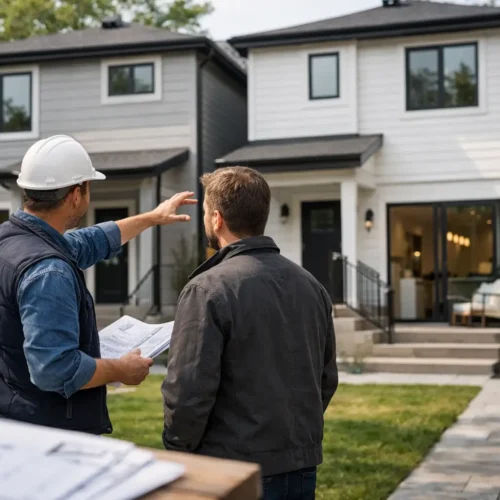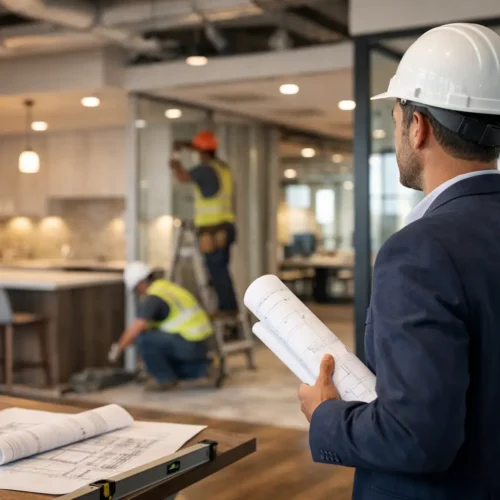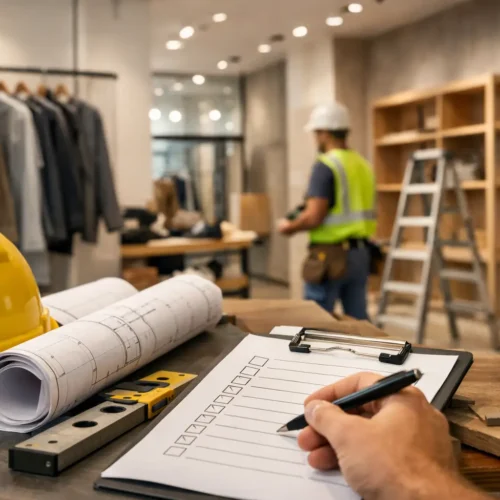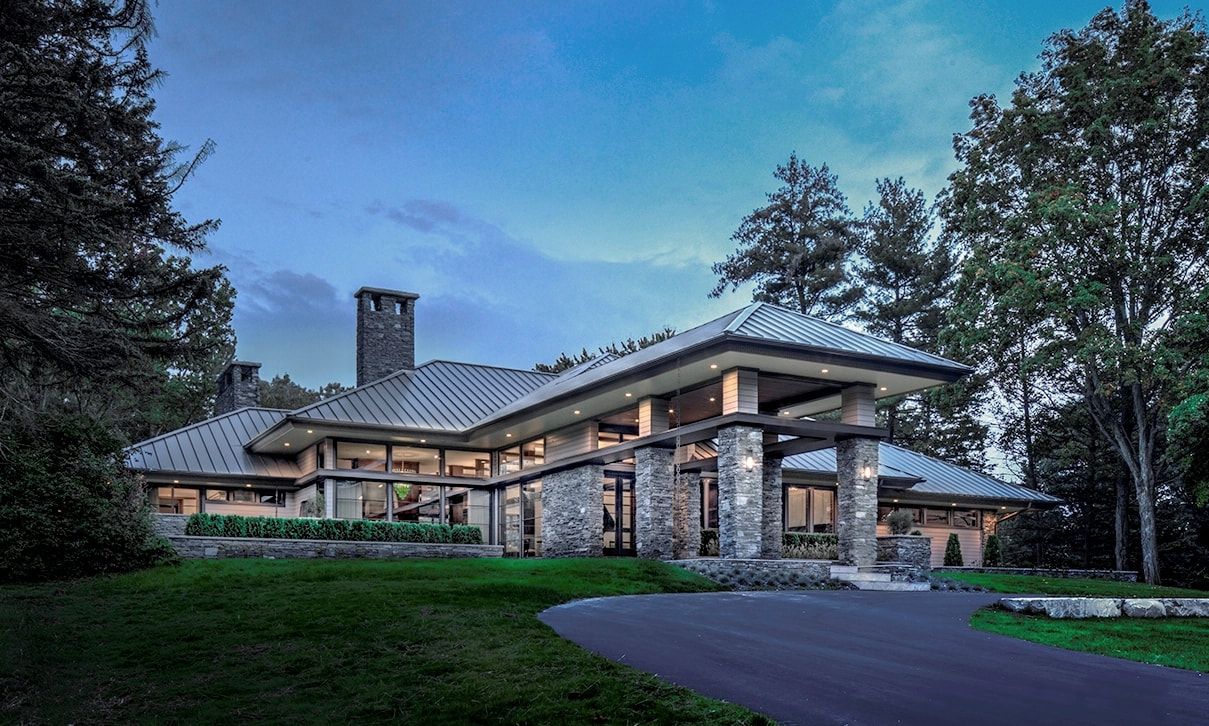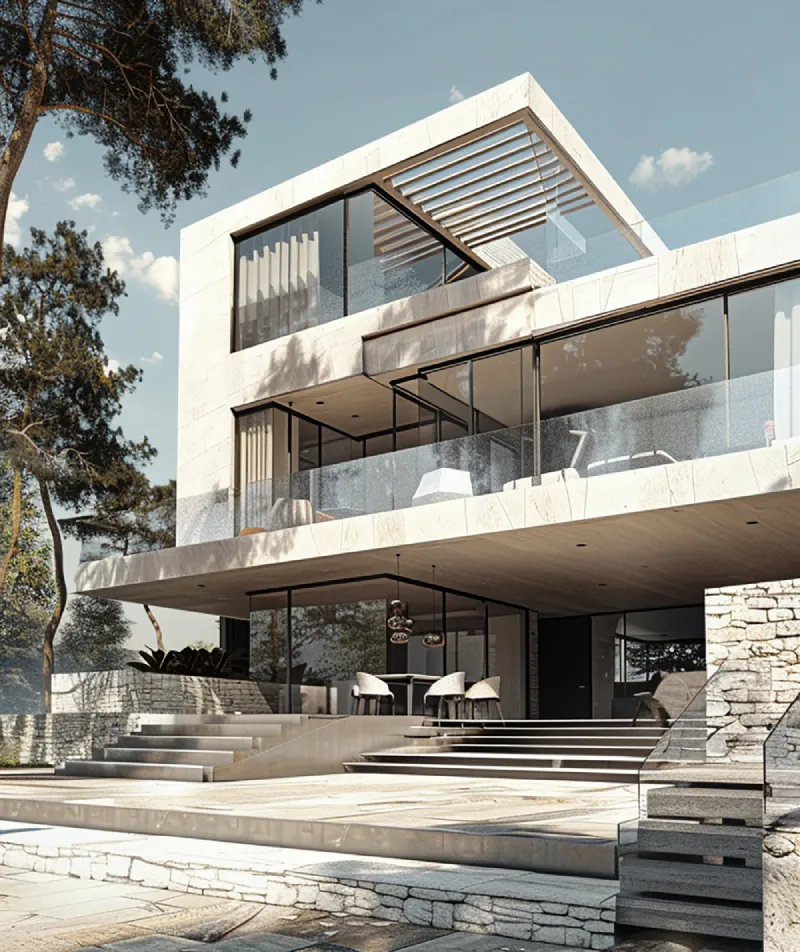









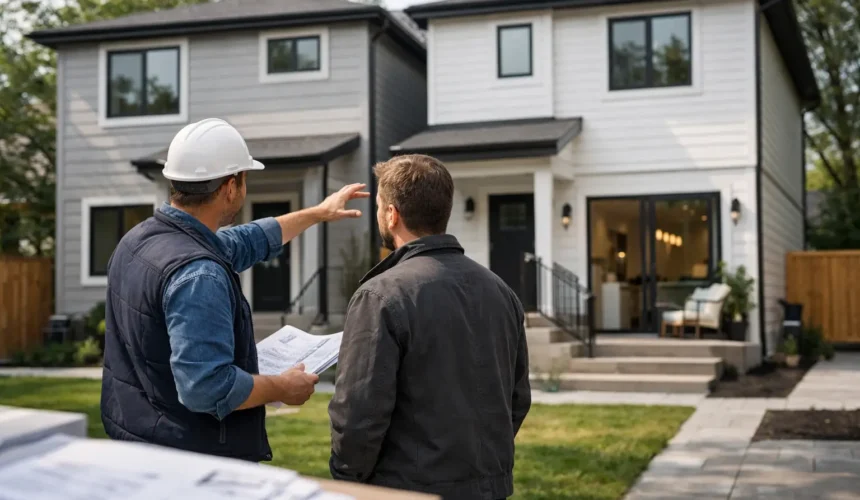
Picture the finished property first. Two complete living spaces. Clean layouts. Proper separation. Quiet between floors. Mechanical systems that make sense. Permits closed. Inspections passed. A home that feels intentional, not split in half as an afterthought.
That is what a duplex conversion contractor should deliver. Not just demolition and framing. Not just a stack of trade invoices. A real conversion changes how the building functions, how it is approved, and how it performs over time. If the planning is weak, every decision after that gets more expensive, slower, and harder to correct.
What a duplex conversion contractor actually does
A duplex conversion sits in a different category than a standard renovation. You are not simply updating finishes or opening a wall. You are creating a second legal dwelling within an existing structure, and that changes the level of coordination required from day one.
A qualified duplex conversion contractor has to think across design, code, structure, fire separation, sound control, egress, layout efficiency, mechanical planning, and municipal approvals. That matters because a duplex is only successful when all of those parts work together. A beautiful unit that fails inspection is not a finished project. A legal layout with poor sound isolation is not a good living experience. A fast build with an unclear scope usually turns into rework.
This is why the best contractors do not start with trades. They start with documentation, sequencing, and control. Before work begins, they need to understand what the building can support, what the municipality will require, and how each unit will function as a complete environment.
Why duplex conversions go sideways
Most failed conversions do not fail because one trade made one bad move. They fail because the project was treated like a cosmetic remodel instead of a systems project.
The common pattern is familiar. The scope is vague. Existing conditions are not properly documented. Someone assumes ceiling heights, exits, or service capacity will work out later. Soundproofing is treated as a product choice instead of an assembly. Inspections reveal issues that should have been caught before drawings were finalized. Then the schedule stretches, costs rise, and trust drops.
The deeper problem is fragmentation. One person handles drawings. Another prices the job loosely. Trades fill in the blanks on site. No one owns the full chain from planning to execution. That is where duplex projects lose control.
A well-run conversion is the opposite. It is documented early, coordinated tightly, and built in the right sequence. You should know what is being built, how it is being built, and what standards each phase has to meet before the first wall is opened.
How to evaluate a duplex conversion contractor
If you are interviewing contractors, the most revealing questions are not about personality. They are about control.
Ask how they define scope before construction. Ask how they verify existing site conditions. Ask how they coordinate drawings, permits, structural requirements, and trade sequencing. Ask how they manage milestones and change events. Ask what they do when the existing home reveals something unexpected behind the walls.
A strong answer will sound organized. It will be specific. It will show that the contractor does not rely on improvisation.
A weak answer usually sounds casual. It leans on experience alone. Experience matters, but duplex conversions need more than instinct. They need a repeatable system.
This is especially true in older housing stock, where existing framing, stair geometry, service routes, and hidden deficiencies can reshape the project quickly. A contractor who has no structured pre-construction process may still speak confidently. That does not mean they have control.
The planning phase matters more than most people think
The planning phase is where the project either gets protected or exposed.
A proper duplex conversion starts by establishing the real conditions of the property and translating those conditions into a buildable scope. That includes layout intent, code-related requirements, structural interventions, insulation and acoustic assemblies, door and window implications, mechanical strategy, and the details that affect both inspection outcomes and day-to-day livability.
This is where process-led firms separate themselves. At Spartan Builders, that front-end discipline is formalized through ClearScope™ – a complete scope documentation and material specification system created to remove ambiguity before trades begin. For duplex work, that kind of clarity is not a nice extra. It is what keeps the project aligned when multiple systems are changing at once.
Planning also affects the emotional side of the job. When the scope is documented properly, clients stop guessing. They understand what is happening and what comes next. That changes the experience from reactive to controlled.
Duplex conversion contractor red flags
Some warning signs appear early if you know where to look.
If a contractor gives you a fast price from limited information, be careful. Duplex conversions are too layered for casual estimating. If they talk mostly about finishes and barely mention fire rating, sound separation, exits, permits, or coordination, be careful. If their process depends on figuring things out on site, be careful.
Another red flag is thin communication. Projects with multiple approvals, inspections, and interdependent trades need structured updates. Silence creates friction. It also creates mistakes, because assumptions fill the space where communication should be.
Then there is trade quality. On a duplex conversion, the issue is not just whether each trade is skilled. It is whether every trade is licensed, insured, coordinated, and held to the same documented standard. One weak link can affect inspection results, schedule stability, and final performance.
That is why vetted trade networks matter. Not as marketing language, but as operational control.
What good execution looks like
Good execution is quiet. The project moves because decisions were made earlier. Trades arrive in the right order. Materials are aligned with the scope. Inspections are prepared for, not feared. Problems still happen, because construction is real work in real buildings, but they are handled within a system.
That is an important distinction. No serious contractor promises a perfectly frictionless project. The difference is whether friction becomes chaos.
The right duplex conversion contractor builds with discipline. They know when to open up walls for verification, when to lock details, when to bring in the right consultant, and when a small field change affects more than one trade. They understand that scheduling is not just about speed. It is about protecting dependencies.
For clients, this shows up as confidence. You are not chasing answers. You are not hearing three versions of the same issue from three different people. You are seeing a managed project.
It depends on the house
Not every duplex conversion follows the same path. That is where nuance matters.
Some homes have layouts that lend themselves naturally to separation. Others require significant structural rethinking to create proper circulation, exits, or usable room proportions. Some properties have enough ceiling height and service capacity to support the new configuration with limited disruption. Others demand larger interventions. Even where the goal is the same, the route can be very different.
This is why a contractor should resist oversimplifying the job. A firm that treats every duplex conversion as a standard package is usually hiding the complexity, not solving it. The better approach is honest assessment paired with disciplined planning.
That honesty builds trust. It also leads to better outcomes, because the project is designed around the actual building instead of forcing the building into assumptions.
Why systems matter more than promises
The construction industry is full of promises. Fast timelines. easy communication. smooth coordination. Those words mean very little without a structure behind them.
Systems are what make results repeatable. Scope systems reduce gray areas. Trade vetting protects execution. Sequenced scheduling keeps the site moving in the right order. Milestone tracking gives clients visibility. Documentation reduces the chance that a detail gets lost between design intent and field reality.
That is the real standard to look for in a duplex conversion contractor. Not charm. Not volume. Not generic claims. You want a builder who can show how the project will be controlled before they ask to control it.
If you are converting a property into two functional, code-compliant homes, every decision compounds. The right builder makes those decisions earlier, documents them better, and executes them with discipline. That is how a duplex conversion stops feeling like a risk and starts feeling like a finished asset built with purpose.
Choose the team that can see the entire building before the first cut is made. That vision is what protects everything that follows.