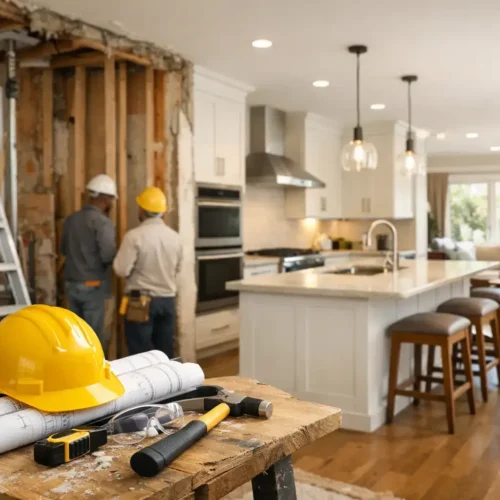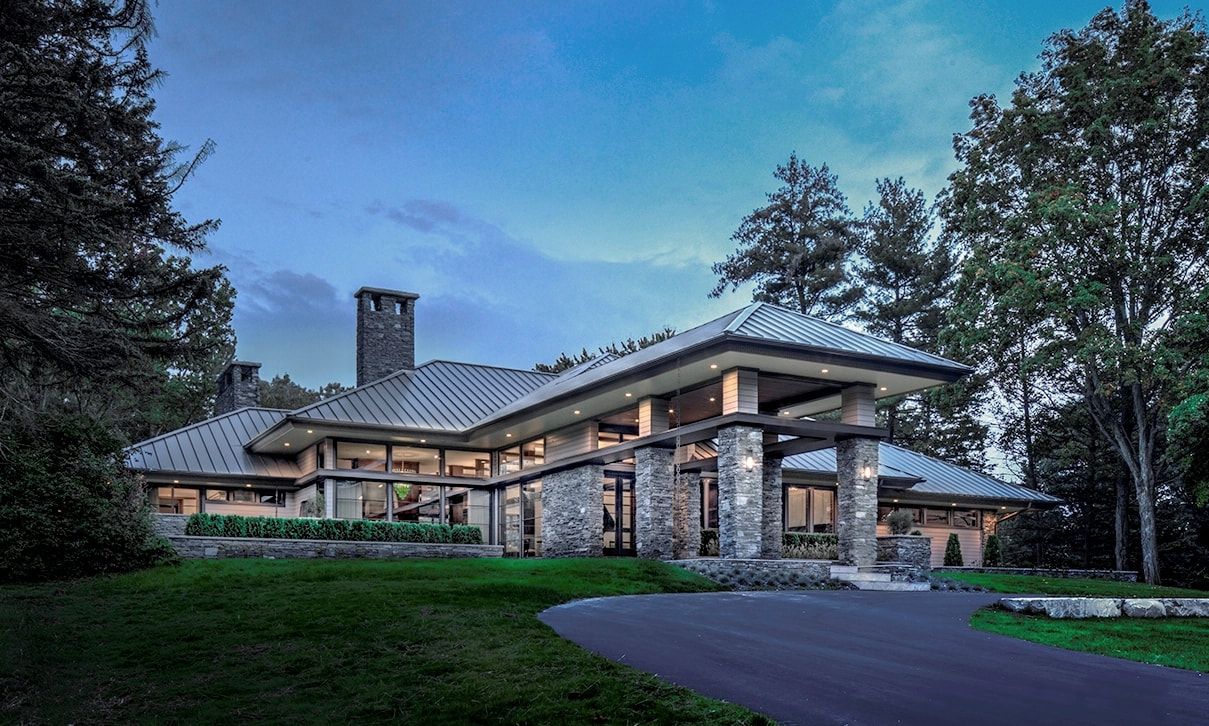










Picture the finished space first. The kitchen works the way it should. The office opens on schedule. The addition feels like it always belonged there. That result does not come from good intentions. It comes from knowing how to manage renovation timeline before demolition starts.
Most delays are not surprises. They are predictable consequences of vague scope, missing selections, loose trade coordination, and decisions made too late. The timeline slips because the project was never truly scheduled in the first place. A calendar is not a schedule. A schedule is scope, sequence, approvals, procurement, site conditions, and accountability working together.
If you want control, you need to build the timeline backward from the finished result and forward from the realities on site at the same time.
How to manage renovation timeline starts with scope
The fastest projects are rarely the ones that start the quickest. They are the ones that start with clarity.
A renovation timeline becomes unstable the moment the scope is loose. If cabinetry is not fully specified, rough-ins may be placed wrong. If tile sizes change late, substrate prep can change with them. If structural work is still being reviewed after demolition begins, crews wait, the site stalls, and every downstream trade gets compressed.
This is why the first real step is not swinging a hammer. It is documenting exactly what is being built. That means layouts, finish selections, material specifications, site measurements, hidden condition review, and a clear decision on what stays and what goes. In a commercial setting, it also means understanding operational constraints, landlord requirements, and compliance milestones before field work begins.
The trade-off is simple. More planning upfront can feel slower. In reality, it is what prevents a six-week renovation from becoming twelve.
The timeline should reflect decisions already made
A build schedule should not be carrying unresolved design decisions. If the project reaches framing and you are still comparing fixture packages or reworking millwork layouts, the timeline is already under pressure.
Good scheduling assumes that critical decisions are locked before they affect the field. That includes cabinetry, appliances, plumbing fixtures, tile, flooring transitions, lighting plans, door swings, and custom fabrication details. Not every finish needs to arrive on day one, but every finish that affects dimensions, rough-ins, lead times, or sequencing must be resolved early.
This is where disciplined builders separate themselves from traditional contractor chaos. Systems like ClearScope™ exist for a reason. When the scope is complete before trades mobilize, the timeline has something solid to stand on.
Build the schedule around sequence, not wishful thinking
Renovation work is sequential by nature. Some tasks can overlap. Many cannot.
Demolition comes before framing corrections. Framing and structural work come before inspections. Rough-ins come before insulation and drywall. Waterproofing comes before tile. Templating often comes after base cabinets are installed, not before. Paint touch-ups happen near the end, not in the middle because someone wants to check a box.
It sounds obvious. Yet many timelines fail because they are built as stacked promises instead of actual construction logic.
Where overlap helps and where it hurts
There are moments where overlap creates speed. Material procurement can run in parallel with permit review. Custom cabinetry shop drawings can move while site prep begins. Painting in one completed area can proceed while finishing work continues in another.
But overlap only works when dependencies are understood. Bringing trades in too early does not accelerate a project. It creates rework, congestion, and finger-pointing. A flooring crew cannot win against unfinished drywall. Millwork cannot install cleanly into walls that are still being revised. Commercial fit-outs are especially sensitive here because one delayed inspection can disrupt multiple trades in a single day.
A strong renovation timeline protects sequence. It does not force work into spaces that are not ready.
Permits, approvals, and lead times are part of the timeline
One of the most common mistakes in how to manage renovation timeline is treating approvals and procurement as side notes. They are not side notes. They are timeline drivers.
Permits can affect structural changes, additions, layout modifications, occupancy requirements, and commercial compliance. Condo boards may have submission windows, noise restrictions, and insurance documentation requirements. Landlords may require drawing review and formal signoff before work begins. In many GTA projects, these steps are not obstacles. They are standard operating conditions.
Lead times matter just as much. Custom windows, specialty stone, millwork, glass, and imported finishes do not care what date is written on your ideal schedule. If a critical item has a long procurement cycle, the project plan has to absorb that reality early.
Long-lead items should be identified before mobilization
A disciplined team identifies long-lead materials at pre-construction, not halfway through framing. That allows ordering, coordination, and contingency planning to happen before the site depends on those materials.
Sometimes the right move is to delay start until key items are secured. Sometimes it makes sense to phase the work. It depends on the project. But pretending long-lead items will somehow arrive exactly when needed is not optimism. It is poor control.
Milestones matter more than arbitrary dates
Clients often ask for a single finish date. That is understandable. But the best way to protect that finish date is to manage milestone dates underneath it.
Milestones create visibility. Demolition complete. Framing approved. Rough-ins complete. Inspection passed. Drywall complete. Cabinet install complete. Templating complete. Final finishes underway. These are the markers that tell you whether the project is actually healthy.
A timeline without milestone tracking tends to fail quietly. Everyone assumes progress is happening until the delay becomes impossible to hide. By then, recovery is harder and more expensive in time, energy, and trust.
A schedule should show responsibility, not just activity
Every milestone should be tied to ownership. Who is responsible for shop drawing approval? Who is confirming material delivery dates? Who is reviewing site readiness before the next trade arrives? Who is communicating schedule changes when a hidden condition is uncovered?
This is why process-led builders put structure around project delivery. The Spartan System™ is designed around sequencing, milestone tracking, and client communication because a renovation timeline is not managed by optimism. It is managed by disciplined follow-through.
Communication keeps the schedule honest
Even well-planned projects face change. Hidden framing issues appear. Existing conditions do not match old drawings. Product substitutions become necessary. A municipality requests clarification. The problem is not that change exists. The problem is when change is discovered late or communicated poorly.
A strong communication rhythm keeps the timeline honest. Clients should know what phase the project is in, what decisions are due next, what is on track, and what needs attention. Trades should know site readiness, access conditions, material status, and inspection requirements before they arrive.
Silence creates schedule damage. Clear communication contains it.
Fast decisions are different from rushed decisions
There is a real difference between decisive clients and rushed clients. A decisive client makes informed choices at the right time. A rushed client is often reacting to incomplete information under pressure.
The builder’s job is to create a process where decisions can be made cleanly and early. That protects both timeline and outcome. If you are constantly making major design calls after work has started, the timeline becomes unstable and the finished space often reflects that pressure.
How to manage renovation timeline when things change
No serious builder promises a project with zero change. Existing homes and commercial spaces have history hidden behind walls, above ceilings, and below floors. The right question is not whether something unexpected may appear. The right question is what happens next when it does.
A controlled project has a decision path. The issue is documented. The impact on scope and sequence is assessed. Options are presented. The revised timeline is communicated clearly. Then the team moves.
That response is what preserves trust. Not the fantasy that construction will unfold without a single complication.
In practice, the most resilient timelines are the ones with enough structure to absorb reality without falling apart.
The best renovation timelines feel calm on site
You can usually tell whether a project is under control within minutes of walking the site. Materials are where they should be. Trades know what they are doing next. Questions are answered quickly. The sequence makes sense. The client is not chasing updates.
That calm is not accidental. It is built.
If you are serious about how to manage renovation timeline, stop thinking about speed as the goal. Control is the goal. Speed is often the result. A project moves well when the scope is clear, the sequence is protected, approvals are accounted for, long-lead materials are planned early, and milestones are actively managed.
The finished space will always get the attention. It should. But the timeline behind it shapes the entire experience. When the build is structured properly, the result is not just a better space. It is a better way to get there.